Essential Insights into Dog Paw Sensitivity: A Complete Guide
What Factors Influence Your Dog's Sensitivity to Paw Conditions?
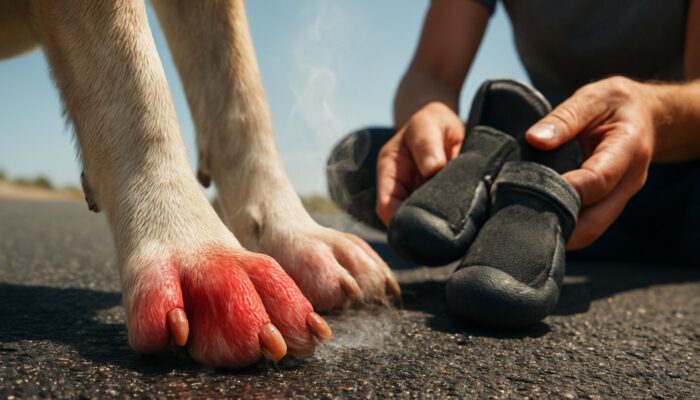
Dogs have specially designed paw pads that provide grip and comfort, yet they are vulnerable to extreme temperatures. When these pads touch hot surfaces, they can quickly absorb heat, leading to painful burns. This sensitivity underscores the need for dog owners to adopt protective measures during walks, especially in warm climates or during the hottest parts of the day.
A dog's paw pad features a durable outer layer that protects against rough terrain. this protective barrier can only withstand so much heat. As temperatures increase, the risk of injury rises dramatically, particularly on surfaces like asphalt and concrete, which can become dangerously hot. Pet owners should be alert to the surfaces their dogs walk on to safeguard their comfort and mobility.
Paw sensitivity can vary depending on factors such as breed and age. Younger and older dogs may react differently to heat, requiring tailored walking schedules that suit their individual needs. Regular assessments and modifications to walking routines can help ensure that dogs remain comfortable and safe during their outdoor activities.
What Methods Can You Use to Monitor Ground Temperatures Effectively?
Monitoring surface temperatures is essential for keeping your dog safe while walking. One easy way to check the ground is to use the back of your hand. This simple technique allows you to gauge the surface temperature before letting your dog walk on it. If the ground is too hot for your hand, it is likely uncomfortable for your dog's paws as well.
For more accurate readings, consider investing in a surface temperature thermometer. This tool is especially useful in summer when pavement temperatures can soar. By regularly checking ground temperatures, you can make informed decisions about the best times and places to walk your dog.
To temperature checks, understanding weather conditions is also crucial. Hot, sunny days can result in dangerously high pavement temperatures, while cooler, overcast days typically offer safer walking conditions. By adjusting your walking schedule based on these factors, you can better protect your dog's paws from unnecessary hazards.
How Do Seasonal Changes Affect the Risk of Paw Injuries?
The risk of paw injuries rises significantly during warmer months due to elevated ground temperatures. Asphalt and concrete can reach scorching levels, often exceeding 125°F (51°C) on sunny days. This heat retention poses serious threats to your dog's sensitive paw pads, making it vital to adjust your walking habits accordingly.
During summer, choose to walk your dog early in the morning or later in the evening when temperatures are cooler. These times not only reduce the risk of burns but also enhance the overall experience for both you and your pet. Keep an eye on humidity levels too, as increased humidity can exacerbate heat stress in dogs.
In colder months, while the risk from hot pavement decreases, new challenges arise. Ice, snow, and de-icing chemicals can irritate your dog's paws. Regular inspections and protective measures, such as applying <a href=”https://limitsofstrategy.com/paw-wax-application-essential-benefits-for-pet-protection/”>paw wax</a> or using boots, are essential for maintaining your dog’s paw health year-round.
What Symptoms Indicate Common Causes of Paw Irritation?
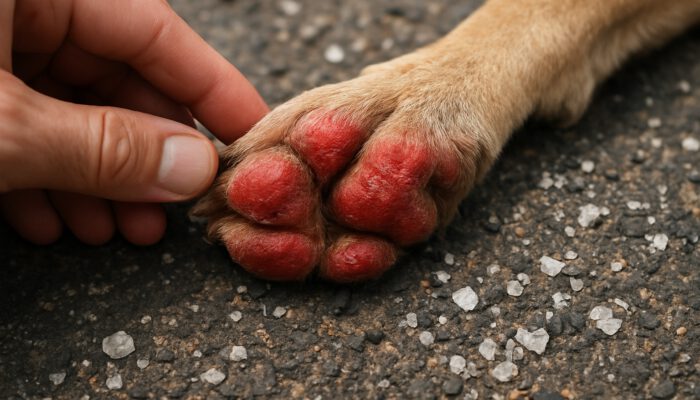
Paw irritation in dogs can stem from various environmental factors, particularly during warmer months. While hot pavement is a major concern, chemicals like de-icers, pesticides, and salt can also heighten sensitivity. These substances can cause irritation that, if ignored, may lead to discomfort and potential long-term damage.
Rough terrains, such as gravel or rocky paths, can further exacerbate paw sensitivity. These surfaces can cause micro-tears in the paw pads, making them more vulnerable to heat and irritation. Conducting regular inspections of your dog's paws after walks can help identify any signs of damage or irritation early.
To ensure your dog's paw health, establish a routine of regular inspections and necessary interventions. This includes moisturising the paw pads to prevent cracking and using protective gear when required. By taking proactive measures, you can help keep your dog's paws healthy and resilient against environmental challenges.
What Effective Remedies Exist for Sensitive Dog Paws?
If your dog's paws show signs of sensitivity or irritation, various effective treatments can provide relief. One popular remedy is the application of soothing balms specifically formulated for dog paws. These balms moisturise and protect, aiding in the healing of cracked or irritated pads.
To topical treatments, it is crucial to limit exposure to harmful surfaces while your dog recovers. This may entail changing your walking routes or reducing outdoor time until their paws heal. Ensuring your dog stays off hot pavement and providing a cool, comfortable indoor environment can significantly support their healing process.
If your dog continues to experience paw sensitivity, it is advisable to consult a veterinarian. They may recommend specific creams or treatments tailored to your dog’s needs for a quicker recovery. By taking these steps, you can help your furry companion return to their normal activities with minimal pain or distress.
How Does Hot Pavement Affect Your Dog's Health?
What Immediate Signs Do Dogs Show on Hot Pavement?
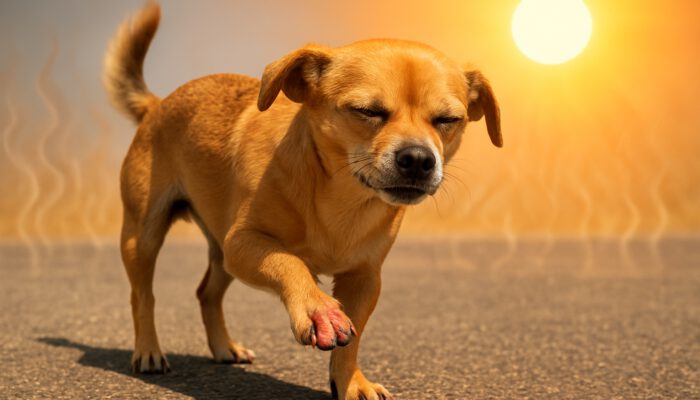
When dogs walk on hot pavement, their instinctive reaction is often to lift their paws and limp. This immediate response indicates discomfort and pain. If exposure continues, the situation can worsen, leading to burns or blisters on their paw pads, which can have serious consequences.
The physical responses to hot surfaces may vary based on breed and individual sensitivity. Smaller breeds with thinner pads may respond more quickly than larger breeds. Recognising your dog’s unique reactions helps you make informed decisions about their outdoor activities and when to intervene.
Understanding these immediate reactions is crucial for preventing further injury. If you notice your dog lifting their paws or showing signs of distress, it is important to remove them from the hot surface promptly. Providing a cooler environment and soothing their paws can alleviate discomfort and prevent long-term damage.
What Long-Term Effects Can Hot Pavement Have on Mobility?
Repeated exposure to hot pavement can lead to significant long-term mobility issues for dogs. Chronic problems such as cracked pads and joint strain may develop, impacting their overall activity levels and quality of life. As the pads sustain damage, they can lose their natural resilience, making them more susceptible to future injuries.
Ongoing discomfort may lead to decreased physical activity. Dogs that associate walks with pain may become hesitant to venture outside, resulting in a sedentary lifestyle. This lack of exercise can lead to obesity and other health issues, creating a challenging cycle to break.
Preventative measures are essential for maintaining your dog’s mobility and overall health. By avoiding hot surfaces and ensuring proper paw care, you can help your dog remain active and engaged in daily activities, promoting a healthier lifestyle overall.
How Does Discomfort Influence Canine Behaviour?
Dogs experiencing discomfort from hot pavement may exhibit noticeable behavioural changes. A common reaction is a reluctance to go for walks or engage in outdoor play. If your dog starts to shy away from outdoor activities, it often signals pain or discomfort that needs addressing.
These behavioural changes can also manifest as anxiety or stress during walks. A dog that once eagerly anticipated daily outings may become hesitant or fearful, suggesting they associate outdoor time with discomfort. Understanding these changes is vital for identifying underlying issues and implementing effective solutions.
To help your dog feel more comfortable, consider adjusting your walking routine to avoid peak heat times and offering alternative activities that allow for safe exploration. By addressing their discomfort and creating positive outdoor experiences, you can help restore their enthusiasm for walks and play.
Expert Recommendations for Preventing Hot Pavement Exposure in Dogs
What Do Veterinarians Advise Regarding Paw Care?
Veterinarians and pet specialists emphasise the importance of consistent paw care for dogs. Regular inspections of your dog's paw pads can help identify early signs of wear or irritation. By looking for cracks, redness, or other abnormalities, you can tackle issues before they escalate.
Moisturising your dog's paw pads is another expert-recommended practice. Using paw balms or creams helps maintain the health and resilience of the pads, creating a protective barrier against heat and rough surfaces. Many pet owners report success in preventing injuries through regular moisturising routines.
Real-life examples of recovery from minor heat-related incidents highlight the effectiveness of proactive pad care. Dogs that receive timely treatment and preventive measures often recover quickly, allowing them to return to normal activities without lasting effects. By prioritising paw health, you can help ensure your dog enjoys a comfortable and active lifestyle.
What Practical Insights Can Be Gained from Research?
Research has shown that straightforward tests, such as the five-second rule, can effectively prevent injuries on hot surfaces. This guideline suggests that if you can comfortably place your hand on a surface for five seconds, it is likely safe for your dog. This practical approach can be utilised in various environments, assisting owners in making informed decisions about walking routes.
Studies indicate that dogs regularly exposed to safe walking surfaces experience fewer injuries and improved overall paw health. This correlation highlights the importance of monitoring conditions and adapting based on environmental factors. By applying these findings in real-world situations, pet owners can significantly mitigate the risks associated with hot pavement.
Many dog trainers and behaviourists advocate for positive reinforcement techniques to encourage safe outdoor habits. By rewarding dogs for avoiding hot surfaces, owners can instil good behaviours that enhance safety and comfort during walks. These strategies, supported by research, contribute to healthier, happier dogs.
What Actionable Steps Should Dog Owners Take?
Creating a personalised walking plan based on daily conditions is essential for minimising risks associated with hot pavement. Start by checking the weather forecast and scheduling walks during the cooler parts of the day. This simple adjustment can significantly reduce the likelihood of paw injuries.
Incorporating alternative surfaces into your walking routine can also be beneficial. Seek out parks with grass or shaded areas where your dog can walk without the risk of hot pavement. These natural terrains provide a safer environment for your dog to enjoy outdoor time while protecting their sensitive paws.
Consider investing in protective gear, such as dog boots, to offer an extra layer of safety. These products help shield your dog's paws from hot surfaces, allowing them to explore without the risk of burns. By taking these actionable steps, you can ensure a safer walking experience for your furry companion.
What Are the Most Suitable Alternatives to Paved Surfaces?
Discovering Grass and Natural Pathways
Walking on softer terrains, such as grass and natural paths, can significantly lower the risk of paw injuries for dogs. Unlike asphalt or concrete, these surfaces retain less heat, allowing your pet to move freely without the threat of burns. Parks, nature trails, and beaches serve as excellent alternatives that provide a more comfortable environment for your dog.
On grass, dogs enjoy a cooler surface while indulging in natural behaviours like sniffing and exploring. This not only protects their paws but also enhances their overall outdoor experience. Natural paths often offer additional perks, including varied scents and wildlife sightings that enrich your dog’s sensory exploration.
It's important to consider seasonal conditions when choosing these alternatives. Wet or muddy paths can present their own challenges, so always evaluate ground conditions before heading out. By prioritising softer terrains, you can help ensure a safe and enjoyable outing for your dog.
What Benefits Can Protective Footwear Provide for Dogs?
Dog boots designed for outdoor use offer reliable protection against hot surfaces and rough terrains. These products come in various styles and materials, catering to different climates and activities. Many pet owners find that using protective footwear enables their dogs to explore challenging environments without the risk of injury.
When selecting dog boots, consider factors such as fit, material, and intended use. Properly fitted boots should allow for natural movement while providing adequate protection. Look for options made from breathable materials to ensure your dog remains comfortable during walks.
Introducing your dog to boots may require some acclimatisation. Start by letting them wear the boots indoors for short periods, gradually increasing the duration as they become more accustomed to them. With patience and positive reinforcement, most dogs can learn to accept and benefit from protective footwear during outdoor adventures.
How Can Indoor Exercises Contribute to Your Dog's Health?
When outdoor conditions are unsuitable, structured indoor activities can help maintain your dog's fitness levels. Engaging your dog in play with toys, puzzles, and interactive games offers essential physical and mental stimulation. Indoor exercises are especially valuable during extreme weather, ensuring your dog remains active and healthy.
Consider creating an obstacle course using household items to encourage physical activity. This not only helps burn off excess energy but also strengthens your dog's muscles and joints without the dangers associated with hot pavement. Incorporating training sessions into indoor play can further enhance their obedience and skills.
Games like fetch or tug-of-war can be adapted for indoor settings. These activities help maintain your dog's enthusiasm for play while ensuring their safety. By prioritising indoor exercises during unsuitable outdoor conditions, you can support your dog's health and well-being year-round.
Research-Backed Advantages of Avoiding Hot Pavement
How Does Avoiding Hot Surfaces Improve Paw Durability?
Regularly avoiding hot pavement has been shown to strengthen a dog's natural paw defences. By preventing exposure to harmful surfaces, pet owners can help their dogs maintain healthier paw pads, resulting in fewer injuries over time. This proactive strategy promotes longevity in outdoor activities and enhances overall quality of life.
Studies indicate that dogs shielded from extreme temperatures experience fewer paw-related injuries. This reduction not only contributes to better paw health but also allows for sustained engagement in activities that foster fitness and bonding between dogs and their owners.
A dedicated focus on paw care and avoidance strategies can lead to a more active lifestyle for dogs. With healthier paws, dogs can enjoy longer walks and more vigorous play without the fear of injury, ultimately enhancing their overall health and happiness.
How Does Preventing Heat Stress Enhance Daily Energy Levels?
Preventing heat stress through effective pavement avoidance strategies boosts rest and vitality in dogs. When dogs are free from paw injuries or discomfort, they are likely to exhibit higher energy levels, enabling them to engage more enthusiastically in play and exercise routines. This energy boost is key for maintaining a healthy lifestyle.
Research shows that dogs experiencing less pain and discomfort are more inclined to participate in regular physical activity. This increased engagement benefits their physical health and improves mental well-being, reducing stress and anxiety levels. A happy, active dog is a healthy dog.
Owners who prioritise pavement avoidance often report stronger relationships with their pets. When dogs feel comfortable and pain-free, they are more likely to enjoy outdoor adventures, fostering deeper bonds and shared experiences that enrich both their lives.
How Does Avoiding Hot Pavement Minimise Veterinary Interventions?
Taking proactive measures to avoid hot pavement can significantly decrease the incidence of heat-related issues in dogs. By implementing protective strategies, pet owners can reduce the need for veterinary interventions, resulting in fewer medical visits and associated costs. This financial relief can be substantial for families, enabling them to allocate resources to other aspects of pet care.
Research supports the notion that dogs with fewer injuries tend to have better overall health outcomes. Preventing conditions like blistering or infections helps dogs maintain optimal health, lowering the likelihood of chronic issues that require ongoing veterinary attention.
Prioritising preventive care fosters a culture of health and well-being among pet owners. By focusing on their dogs' safety and comfort, owners can take pride in providing a high quality of life for their furry companions, ultimately leading to happier and healthier pets.
How Does Avoiding Hot Pavement Reduce Severe Paw Pad Injuries?
Steering clear of excessively hot pavements significantly reduces the risk of severe paw pad injuries. By avoiding hot surfaces, dogs experience fewer instances of blistering and tissue damage, contributing to sustained mobility and less pain during daily walks. This preventive approach is crucial for keeping your dog active and comfortable.
Research indicates that dogs who consistently walk on safe surfaces tend to maintain healthier paw pads, leading to a decreased risk of chronic issues. By prioritising safety during walks, owners can ensure their dogs enjoy outdoor experiences without the fear of injury.
Proactively addressing paw health allows for a smoother recovery process if injuries do occur. Dogs with previously healthy pads are more likely to recover quickly from minor injuries, enabling them to return to their normal activities with minimal downtime.
How Does Protecting Paws Contribute to Long-Term Joint Health?
Consistently protecting against hot pavement can promote superior long-term joint health in dogs. By minimising inflammation and strain on their limbs, dogs can maintain healthier joint function and flexibility. This proactive strategy helps prevent the onset of arthritis or mobility issues that may arise from repeated injuries.
Research indicates that dogs experiencing fewer joint-related issues tend to lead more active lives. By safeguarding their paws from extreme temperatures, owners can support their dogs' overall mobility and agility, allowing them to engage in play and exercise without compromising their health.
Maintaining joint health through preventative measures can enhance the quality of life for dogs as they age. Ensuring their joints stay healthy enables pet owners to help their furry companions enjoy their golden years with vitality and enthusiasm.
Why Is Timing Important for Dog Walks?
How Can You Identify the Best Times for Outdoor Activities?
Choosing the right time for outdoor activities is crucial for your dog's safety and comfort. Early morning or late evening walks provide cooler conditions, reducing exposure to hot pavement. During these hours, the ground temperature is significantly lower, making it safer for your dog's sensitive paws.
Walking during optimal hours not only protects your dog's paws but also enhances the overall experience for both pets and owners. Cooler temperatures create a more enjoyable environment for exercise, minimising the risk of heat stress and fatigue. This is especially important for breeds more susceptible to heat-related issues.
By planning walks around these optimal hours, you can facilitate longer and more engaging outings. Dogs can explore their surroundings without the discomfort of hot surfaces, resulting in a more fulfilling experience. Being mindful of timing allows you to establish a routine that prioritises your dog's well-being.
How Can You Recognise Environmental Indicators?
Paying attention to environmental indicators is vital for making informed decisions about your dog's outdoor activities. Factors such as shade availability and air temperature can guide your choices regarding excursion length and intensity. For instance, shaded areas may provide a cooler walking environment, while direct sunlight can rapidly heat pavement surfaces.
Monitoring temperature and humidity levels can also assist in determining the best times for outdoor excursions. On particularly hot days, consider shortening walks or opting for indoor activities to ensure your dog's safety. This proactive approach can prevent heat-related issues and keep your dog comfortable during outdoor adventures.
Being aware of seasonal changes allows you to adjust your walking routines accordingly. As temperatures fluctuate throughout the year, adapting your schedule to current conditions ensures that your dog remains safe and happy during outings.
How Can You Adjust Schedules for Maximum Comfort?
Flexibility in your walking schedule is essential for your dog's comfort and safety. By modifying your routine based on daily forecasts, you can avoid peak heat times and ensure that walks remain beneficial without causing undue stress. This adaptability enables you to prioritise your dog's well-being while still meeting their exercise needs.
Utilising weather apps or local forecasts can assist in planning your walks effectively. If you anticipate rising temperatures throughout the day, opting for an early morning walk can help you avoid the risks associated with hot pavement. This proactive approach fosters a more enjoyable experience for both you and your dog.
Incorporating breaks during walks can also enhance comfort. If you notice your dog showing signs of discomfort, pause in a shaded area. This not only allows them to cool down but also reinforces the importance of listening to their body's signals during outdoor activities.
What Training Strategies Promote Safe Outdoor Experiences?
How Can Positive Reinforcement Techniques Be Applied?
Applying positive reinforcement techniques can significantly enhance your dog's comfort and safety during outdoor activities. Rewarding calm behaviour on various surfaces helps build confidence and encourages exploration. This method fosters a positive association with different terrains, making your dog more adaptable to changing environments.
When introducing your dog to new surfaces, start with short sessions and gradually increase their exposure. Utilise treats and praise to reinforce positive behaviour, creating a supportive learning atmosphere. Over time, your dog will become more comfortable navigating different terrains, including those that pose risks.
This approach not only boosts safety but also strengthens the bond between you and your dog. By celebrating their successes and promoting exploration, you create a positive environment that enriches their outdoor experiences. This fosters trust and security, making walks more enjoyable for both of you.
What Are the Benefits of Gradual Exposure Techniques?
Gradual exposure techniques are essential for training dogs to navigate various surfaces safely. Begin by introducing your dog to new terrains in controlled settings, allowing them to acclimatise without the pressure of unfamiliar surroundings. This method alleviates anxiety and builds confidence as they learn to explore different surfaces.
Key benefits of progressive training include:
- Increased confidence in navigating new terrains
- Reduced anxiety associated with unfamiliar surfaces
- Enhanced adaptability to changing environments
- Improved trust between dog and owner
By taking small steps, you can help your dog become more comfortable with various surfaces, including those that may be hot or challenging. Over time, this gradual exposure will lead to a more confident and well-adjusted dog, ready for any outdoor adventure.
How Can Commands Be Integrated for Increased Safety?
Teaching specific cues is essential for maintaining your dog’s safety during outdoor activities. Commands such as “leave it” or “this way” can help redirect your dog away from hot areas swiftly. By reinforcing these commands during training sessions, you promote awareness and quick responses during outings.
Incorporating commands into your walks provides an added layer of safety. For instance, if your dog approaches a hot surface, a well-timed command can prevent contact. This proactive approach not only protects their paws but also reinforces your role as a responsible owner.
Regular practice of these commands in various environments can enhance their effectiveness. By exposing your dog to different terrains and situations during training, you ensure they respond appropriately when faced with potential outdoor hazards.
How Can You Foster Environmental Awareness in Dogs?
Training your dog to recognise and avoid environmental hazards is critical for safer outings. Teaching them to steer clear of slippery surfaces, extreme temperatures, or unfamiliar wildlife fosters cautious behaviour, reducing risks associated with various outdoor conditions and terrains.
Begin by exposing your dog to diverse environments and using positive reinforcement to promote safe behaviours. For example, if your dog hesitates before stepping onto a hot surface, reward their caution. This approach helps them learn to identify potential dangers and respond appropriately.
Incorporating environmental awareness training into your routine can lead to more enjoyable and safer outdoor experiences. By instilling a sense of caution in your dog, you create a more secure environment for both of you during walks and adventures.
Frequently Asked Questions
What Does Hot Pavement Avoidance Mean for Dogs?
Hot pavement avoidance for dogs refers to strategies and practices designed to protect dogs' paws from burns and injuries caused by hot surfaces during walks.
How Can I Tell If Pavement Is Too Hot for My Dog?
You can check the pavement using the back of your hand. If you cannot comfortably hold it there for five seconds, it is too hot for your dog's paws.
What Are the Best Times for Walking My Dog to Avoid Hot Pavement?
The optimal times for walking your dog are early morning or late evening when temperatures are cooler, minimising the risk of hot pavement.
What Signs Indicate My Dog’s Paws Are Injured?
Signs of paw injuries include limping, excessive licking of the paws, visible redness or swelling, and reluctance to walk or play.
Do Dog Boots Provide Protection Against Hot Pavement?
Yes, dog boots serve as a protective barrier against hot surfaces, allowing your dog to walk safely without risking burns or injuries.
What Should I Do If My Dog Gets Burned on Hot Pavement?
If your dog gets burned, rinse the area with cool water, apply a pet-safe antiseptic, and consult your veterinarian for further treatment.
Are Certain Breeds More Sensitive to Hot Pavement?
Yes, breeds with thinner paw pads or those less accustomed to heat, such as small or elderly dogs, may be more sensitive to hot pavement.
How Often Should I Inspect My Dog’s Paws?
Regular inspections should be conducted after every walk, particularly during warm months, to check for signs of irritation or injury.
What Indoor Activities Can I Engage in with My Dog on Hot Days?
Indoor activities like fetch, puzzle toys, or obstacle courses can help keep your dog active and engaged when outdoor conditions are too hot.
Is It Safe to Walk My Dog on Grass During Hot Weather?
Yes, grass typically remains cooler than pavement, making it a safer option for walks during hot weather. Always check the surface temperature first.
Connect with us on Facebook today!
The Article Hot Pavement Avoidance for Dogs: Key Safety Advice First Published On https://elgatoencasa.com
The Article Hot Pavement Safety Tips for Dogs: Essential Advice Was Found On https://limitsofstrategy.com
The Article Pavement Safety Tips for Dogs: Essential Summer Advice found first on https://electroquench.com