Last Updated on November 28, 2025, by David
With over 25 years of experience restoring and safeguarding stone and porcelain surfaces in homes across the UK, David specializes in assessing finishes, developing safe cleaning protocols, and conducting on-site testing. Full bio
Implement Effective Strategies for the Care and Maintenance of Your Porcelain Tiles
- Utilise neutral-pH cleaners for routine maintenance; ensure accurate measuring of dilutions and always conclude with a rinse using clean water to eliminate any residue or stickiness left behind on the surface.
- Prioritise the removal of grit by vacuuming or using a dry microfibre cloth before engaging in wet cleaning, effectively preventing micro-scratches on the tile surface.
- Conduct preliminary tests on unfamiliar or dark (especially black) porcelain in a discreet area prior to using strong alkali or new cleaning agents to prevent any potential damage to the finish.
- Employ microfibre cleaning tools and soft nylon brushes for grout cleaning; avoid abrasive pads and harsh chemicals that could harm the delicate tile surfaces.
- Schedule deep cleaning approximately every 1–3 months based on foot traffic patterns. Implement a two-stage cleaning method involving a neutral detergent followed by gentle grout agitation and an immediate rinse with fresh water.
Proven Cleaning Techniques Informed by 25 Years of Expertise
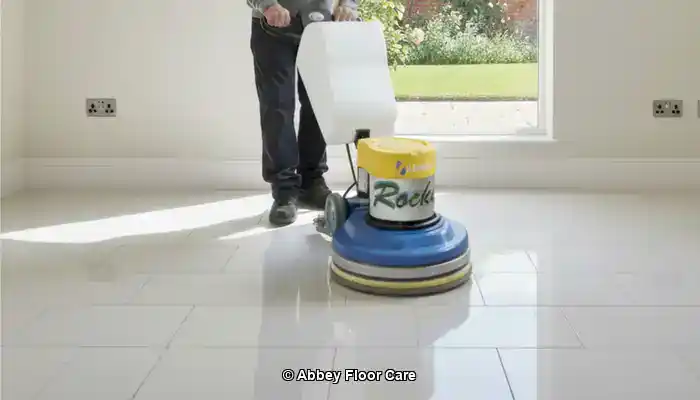
Modern Cleaners and Their Impact on Porcelain Tile Finish: Drawing from 25 years of experience in various homes throughout the UK, we have encountered numerous porcelain tile installations and frequently observed cleaning errors that can significantly shorten their lifespan. This article aims to provide practical, field-tested advice grounded in real-world applications rather than theoretical concepts. We will detail the processes we implement during on-site evaluations, the preliminary tests we conduct, and the straightforward routines that keep porcelain floors looking immaculate. Our goal is to equip homeowners and professionals with clear, actionable steps to address common issues such as haze, sticky residues, micro-scratches, and unexpected colour variations on darker tiles.
Expert Recommendations for Everyday Cleaning and Maintenance of Porcelain Tiles
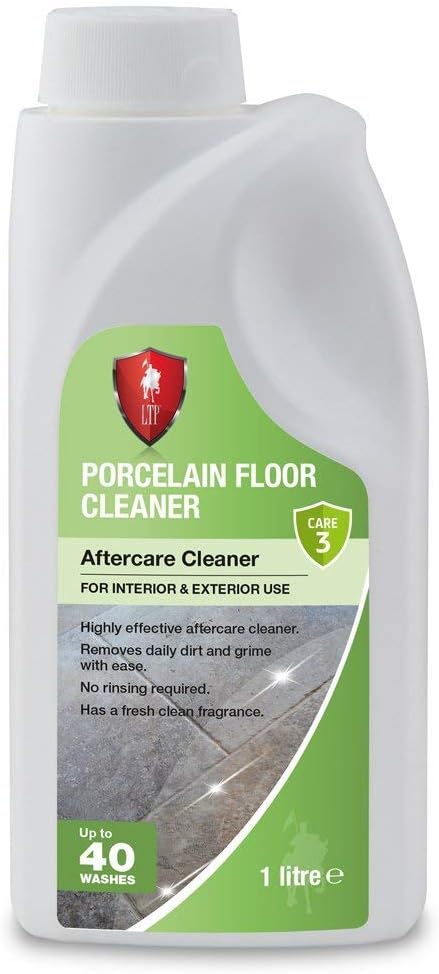
LTP Porcelain Floor Tile Cleaner
|
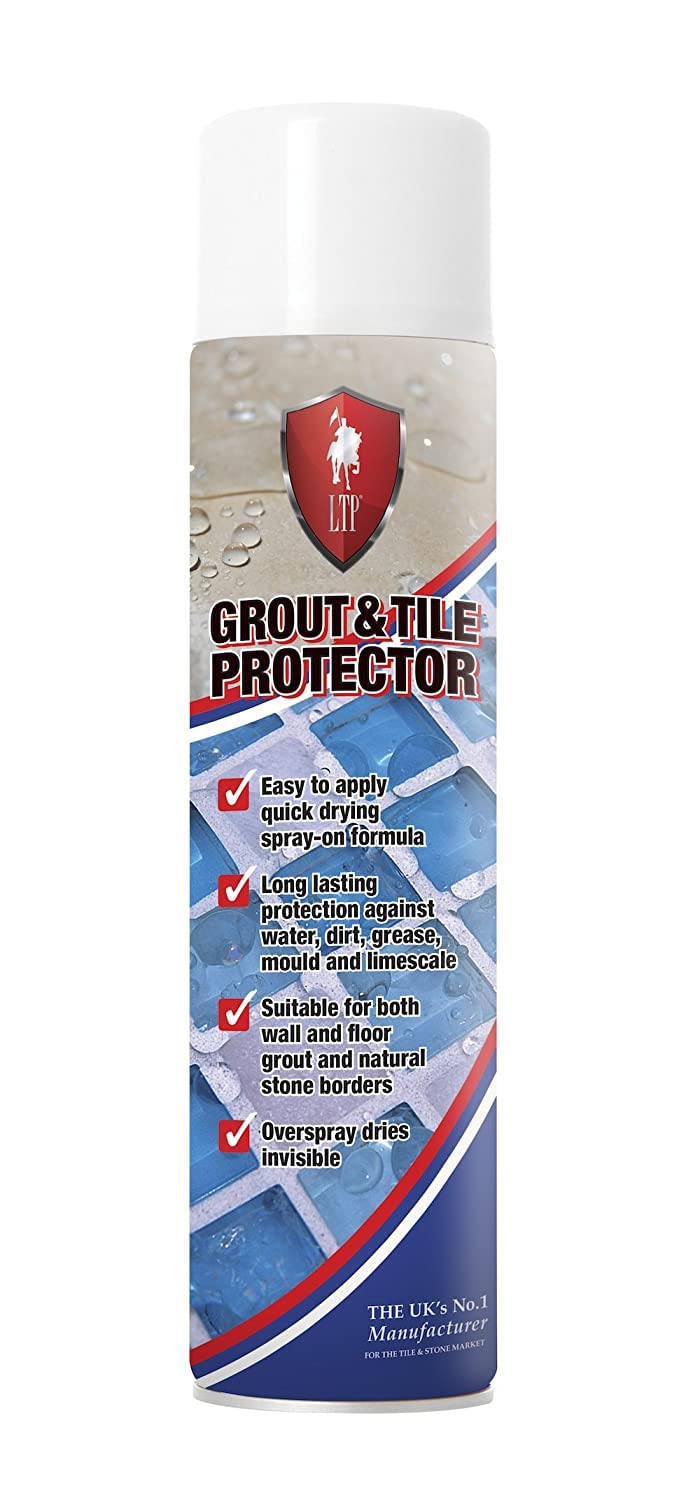
LTP Grout Sealer Tile Protector Spray Can Aerosol
|
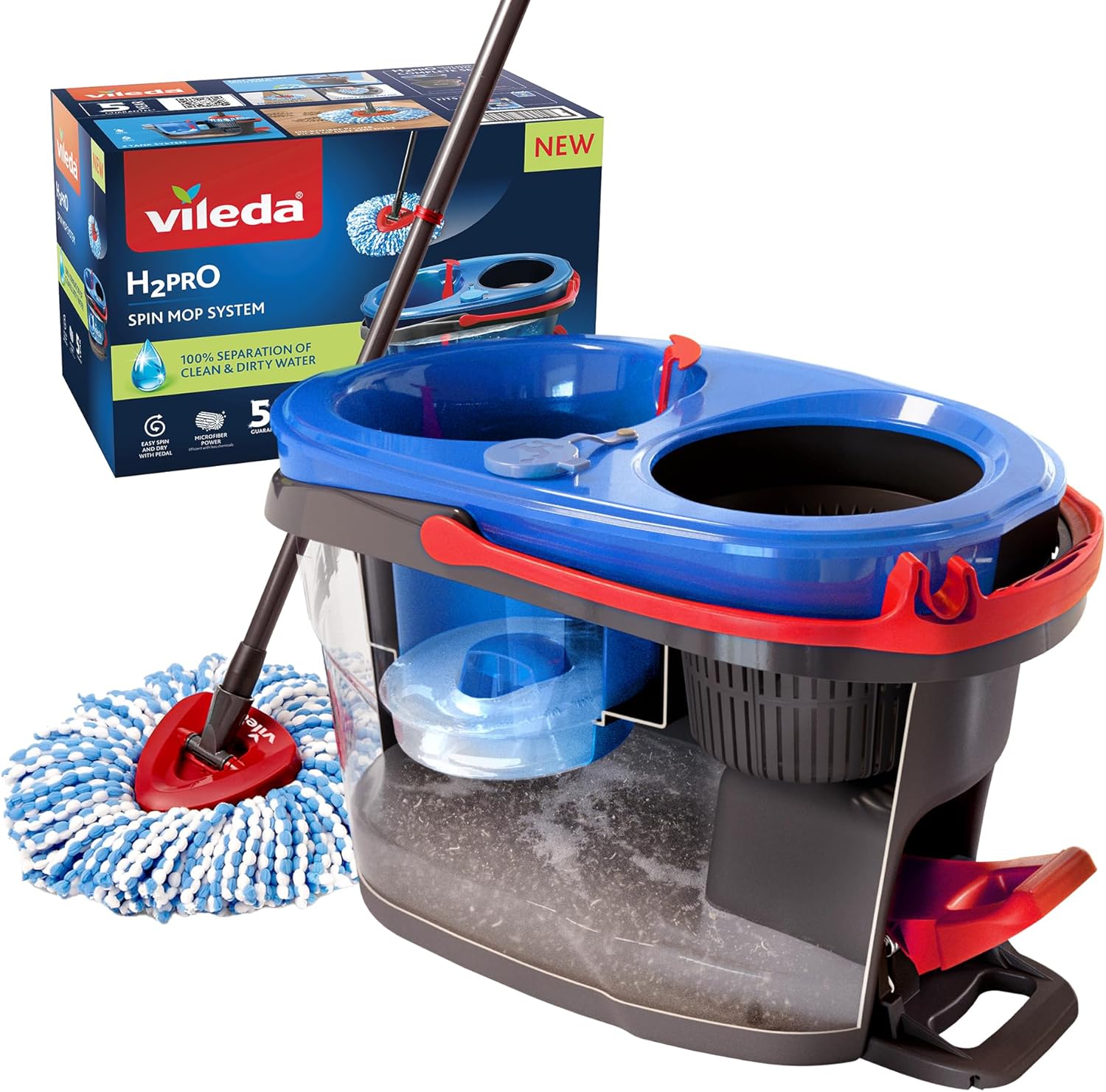
Vileda H2PrO Spin Mop System
|
Our product recommendations stem from consistent observations made during our site work.
Case note: In 2003, we examined a kitchen where strong alkaline degreasers created lighter patches on black tiles; testing indicated that a delicate surface coating had been compromised rather than a change in the tile body colour. Incidents like this have shaped our company policy — always conduct a test in an inconspicuous area first and avoid aggressive alkalis on unknown dark tiles.
The practical insights you will find in this article are straightforward: prioritise neutral-pH cleaners for routine maintenance, ensure accurate measuring of dilutions, always complete with a fresh-water rinse, and use microfibre tools to remove grit before engaging in wet cleaning. For polished, rectified, or dark surfaces, we recommend an additional precaution: a brief, documented test you can replicate at home or discuss with your installer.
If you seek underlying standards or manufacturer specifications, we provide scientific and technical references at the conclusion for those who prefer a laboratory perspective. However, for the majority of homeowners, following the field-proven checks and the simple two-stage cleaning method outlined below will effectively prevent most avoidable finish problems.
Thorough Examination of Porcelain Tiles in UK Homes

What Unique Characteristics Set Porcelain Tiles Apart in Everyday Use?
Porcelain tiles are manufactured from refined clays and subjected to higher firing temperatures, resulting in a dense, low-porosity body that effectively resists water and everyday stains. This impressive density ensures that spills usually remain on the surface long enough to be easily wiped away, transforming routine cleaning into a quick and efficient wipe-and-mop process rather than a labourious deep strip-and-restore task. The result is that homeowners enjoy a flooring solution that not only looks good but is also practical in maintaining its appearance, making porcelain tiles a preferred choice for many.
Durability is the primary advantage that most homeowners appreciate. The dense bodies and hard surfaces of porcelain tiles withstand foot traffic and furniture movement more effectively than many other flooring options. Consequently, the primary focus of cleaning shifts towards effectively removing grit and surface film instead of repairing the substrate, allowing homeowners to maintain their tiles with minimal effort and time.
What Finishes Are Available for Porcelain Tiles: Glazed, Polished, and Matt?
Glazed porcelain is characterised by a fired glass coating that adds colour and pattern while also forming a smooth, protective layer. It responds well to neutral cleaners but may show a film if used with products containing brighteners or heavy oils without proper rinsing. Understanding the specific needs of glazed tiles can significantly enhance their longevity and appearance, making them a popular choice for many homeowners looking for both beauty and practicality.
Polished porcelain undergoes mechanical refinement to achieve a high shine. Though this lustrous finish is visually appealing, it also makes minor marks, residues, and streaks more noticeable, requiring careful selection of cleaning products and thorough rinsing. Homeowners need to be aware of these characteristics to maintain the stunning appearance of their polished tiles, ensuring they remain a focal point in their interiors.
Matt porcelain provides a softer, less reflective finish that hides minor scuffs but may trap residues in textured surfaces if a cleaner is not adequately removed. The emphasis with matt tiles is on lifting soils from the surface rather than merely achieving a shiny finish, making regular maintenance crucial to preserving their aesthetic appeal and functionality.
What Insights Have We Gained from Observations in Real Kitchens and Hallways?
Large-format porcelain tiles have emerged as a preferred choice in open-plan UK homes, creating a seamless aesthetic with fewer grout lines. While the reduced number of joints minimises soap-film accumulation, high-traffic pathways can experience concentrated wear, necessitating targeted cleaning of these areas to maintain a uniform appearance across the entire floor. The visual impact of such designs highlights the importance of regular upkeep in preserving the overall beauty of the space, ensuring that the tiles continue to enhance the home’s interior design.
Rectified porcelain tiles feature edges that are precisely cut post-firing, ensuring uniform tile sizes, which enables narrow grout joints and a sharp, continuous finish. These tight joints can make any film or residue at the edges more noticeable, emphasising the importance of spot testing and thorough rinsing to preserve the crisp lines that installers strive to achieve and maintain, thus enhancing the overall look of the tiled area.
Stone effect porcelain replicates the aesthetics of natural materials without the same level of chemical sensitivity. It performs better with neutral cleaners compared to real stone; however, imitation stone is not indestructible, making proper cleaning habits essential for maintaining its appearance over time, preserving the beauty and functionality that homeowners desire in their spaces.
In-Depth Analysis of Modern Cleaners: Insights from Practical Experience

How Do Neutral pH, Acidic, and Alkaline Cleaners Differ in Everyday Use?
Neutral-pH cleaners are our preferred choice on-site due to their reliability and effectiveness without compromising finishes. In practice, a neutral solution effectively lifts everyday soils and rinses cleanly, minimising the risk of film formation on glazed or polished surfaces. This reliability makes them an essential part of any homeowner’s cleaning arsenal, ensuring that tiles remain pristine and attractive.
Acidic cleaners serve a specific purpose in removing limescale and other deposits; however, frequent use on floors can dull polished porcelain and leave a haze on glazed tiles. It is prudent to use them sparingly and always perform a careful, inconspicuous test to assess any changes in appearance before broader application, safeguarding the integrity of the tiles.
Alkaline detergents excel at grease removal, but strong alkalis can lighten black porcelain in certain cases. If they are necessary for tackling heavy kitchen soils, ensure they are diluted according to the manufacturer's instructions, rinsed thoroughly, and always tested first on an inconspicuous tile to prevent damage, thereby maintaining the beauty of the tile surface.
What Eco-Friendly and Non-Toxic Options Rinse Clean Effectively?
Eco-friendly cleaners typically utilise plant-based surfactants that are gentle on finishes and safer for households with children and pets, making them a popular choice among conscientious homeowners. However, our field experience indicates that some eco-formulations can leave a soft film if overdosed or not rinsed properly, emphasising the importance of correct dosing to ensure maximum efficacy and safety during cleaning.
Non-toxic sprays are effective for spot cleaning and light maintenance, but their strength can vary significantly. It is advisable to select labelled neutral options and perform a clean-water rinse after use to prevent residue accumulation on polished or matt tiles, ensuring the surfaces remain pristine and free from unwanted build-up.
What Common Mistakes Are Made with Household Sprays on Polished Surfaces?
Multi-surface sprays boast convenience but often contain brighteners, fragrances, or silicones that leave a noticeable film on reflective porcelain. Our experience shows that these additives may initially mask dirt but ultimately attract more grime, causing floors to appear dull more swiftly and requiring more frequent cleaning to maintain their shine, thus reducing the overall efficiency of cleaning efforts.
Floor detergents marketed for general use may contain polishing agents that provide a fleeting shine but leave a tacky residue on the surface. For the best results, opt for straightforward, neutral detergents without added polish, and always finish with a clean-water rinse to thoroughly remove any residues, preserving the pristine condition of the tiles.
DIY mixtures crafted from washing-up liquid or household cleaners can be effective for light soils when used sparingly and rinsed thoroughly. Based on our observations, excessive use of homemade mixtures frequently leads to sticky or cloudy finishes, making it crucial to use light doses followed by a final rinse to ensure clarity and shine, thus avoiding unnecessary complications in maintenance.
What Risks Threaten the Finishes of Porcelain Tiles and How Can They Be Managed?
How Can Surface Etching and Gradual Dullness Be Addressed Effectively?
Porcelain finishes are durable yet not invulnerable. Regular use of strong acids or highly alkaline cleaners can gradually dull polished surfaces or soften glazes, which alters the way light reflects. We have observed that this results in a subtle loss of sheen rather than an immediate crack or chip, making the change easy to overlook until it becomes widespread and affects the overall beauty of the tiles.
What Steps Can Be Taken to Tackle Residue Buildup and Visible Streaking?
Household detergents that contain brighteners, oils, or fragrances frequently leave a thin film that becomes noticeable on glazed and polished tiles. From our site work, we have learned that such residues create a cloudy appearance on floors and attract more dirt, transforming a straightforward cleaning task into a repetitive chore aimed at eliminating haze and restoring clarity to the tiles.
How Can Micro Scratches from Abrasive Tools and Grit Be Prevented?
Abrasive pads and powders can quickly generate micro-scratches that trap soil and dull reflective surfaces. On polished porcelain, these fine marks result in a loss of clarity; for textured matt tiles, the grit becomes lodged in the profile, creating a rougher feel underfoot. Regular dry grit removal is essential to reduce this wear and preserve the tiles' appearance, ensuring a long-lasting and aesthetically pleasing flooring solution.
How Can Staining Transfer from Edges and Grout Lines Be Identified and Prevented?
Grout and joints can trap soap scum or cleaning residues, which may transfer back onto tile edges during mopping. We have noted that crisp rectified lines can appear hazy when grout is not rinsed properly, making attention to joints during the rinse stage crucial to maintaining the visual integrity of the installation and ensuring that the overall presentation remains immaculate.
What Are the Signs of Colour Changes on Treated or Low-Quality Tiles?
Black porcelain and other deeply coloured tiles can show lightening or patchy tones if they have been surface-treated or are of inferior quality. Our investigations have linked several instances of colour change to excessive alkali use and suspected post-manufacturing coatings, rather than to alterations in the base clay itself, reinforcing the need for caution during cleaning procedures and the selection of appropriate products.
How Can Heat and Steam Cause Haze on Porcelain Surfaces?
Steam cleaning effectively lifts soils without chemicals but may leave a mineral haze if water deposits are not promptly removed. In practice, performing a quick neutral wipe and a dry buff after steaming can help prevent the faint haze we sometimes encounter when steaming is done without a final rinse, ensuring the surfaces remain clear and shiny for an appealing finish.
How Do These Risks Develop Over Time, and What Can Be Done?
Wear patterns typically emerge gradually and in predictable locations such as walkways, kitchen paths, and beneath tables. Spot testing and routine inspections assist homeowners in identifying early signs of change and adjusting cleaning methods before a finish becomes noticeably degraded, especially with black porcelain, where any changes can be more apparent and concerning.
Why Is It Important to Exercise Caution with Unknown Black Porcelain?
Black porcelain tiles can visually resemble higher-quality options but may respond differently to cleaning solutions. Throughout our 25 years of experience, we have found that dark tiles can lighten or develop patchy tones when exposed to strong alkali. When the tile's origin is uncertain, we implement additional precautions to prevent irreversible changes and preserve the floor's aesthetic appeal for the long term.
How Can Surface Treatments on Inferior Tiles Be Recognised?
Surface treatments are sometimes applied to mask manufacturing defects or uneven colouring. These coatings can react unfavourably with aggressive cleaning chemicals in ways that the core porcelain would not, explaining why a tile that appears fine might change colour when cleaned with strong products. Awareness of these treatments can guide the cleaning approach and help prevent unforeseen damage.
What Observations Have We Made About Strong Alkali Cleaners Lightening Areas on Porcelain Tiles?
Strong alkali cleaners have been known to remove or alter surface coatings on select black tiles we examined, resulting in lighter patches visible under normal room lighting. The patterns observed were not uniform, indicating that a surface layer had been compromised rather than any change occurring in the tile’s body itself, reinforcing the need for careful product selection and cautious cleaning practices.
How Can Practical Testing Be Implemented in Inconspicuous Areas Before Comprehensive Cleaning?
Inconspicuous tests are vital for ensuring safety. Choose a spare tile, a corner behind a plinth, or an area beneath a cabinet. Apply a diluted cleaner at the intended strength, allow it to dwell for the recommended time, rinse thoroughly, and dry. Compare the test area with the surrounding tiles before proceeding with a full cleaning to avoid potential damage and ensure the integrity of the flooring.
Following these incidents, our company's policy is to refrain from cleaning black porcelain unless a safe outcome is confirmed through testing. If the test reveals any changes in colour or sheen, we recommend avoiding that product, reverting to a neutral-pH cleaner, or seeking professional advice to ensure the best care for your tiles.
What Actions Should Homeowners Take If They Suspect Poor-Quality Tiles?
Visual inspections are a quick initial assessment method. Look for inconsistencies in surface gloss, slight pooling of gloss at the edges, or faint brush marks that do not align with the tile pattern. These signs may indicate a vulnerable surface layer susceptible to harsh cleaners, prompting careful consideration of cleaning methods to avoid further damage.
A small-scale test is the safest DIY cleaning method. Use a neutral pH cleaner diluted to standard strength, apply it for a short period, rinse thoroughly, and let it dry. If the area appears unchanged after 24 hours, it is a reasonable indication that the cleaner is compatible and safe for use, ensuring the longevity of your tiles.
When in doubt, it is wise to exercise caution. Avoid strong alkali degreasers and abrasive tools on dark tiles until you have a clear test result or professional confirmation that the tiles can withstand cleaning, ensuring the preservation of their finish and aesthetic quality.
Implement Comprehensive and Safe Cleaning Practices for Your Porcelain Tiles
What Daily Routines Deliver Consistent and Effective Results?
Daily dust and spot removal are crucial for preventing grit from becoming a source of abrasive wear. Use a dry microfibre mop or a vacuum with a hard-floor setting to pick up loose debris before initiating wet cleaning. Quick spot wipes for spills help prevent soils from being ground in, thus reducing the need for stronger cleaning chemicals and ensuring the longevity of the tile surfaces, enhancing their overall appearance.
Weekly light mopping with a precisely measured dose of a neutral-pH cleaner, followed by a clean-water rinse, helps to keep films and residues at bay. Change the rinse water immediately when it becomes cloudy, and conclude with a final damp-cleaning pass to effectively remove any detergent residue and maintain the pristine condition of the tiles, ensuring they remain attractive and functional.
How Can Mops and Cloths Be Chosen to Prevent Residue Buildup?
Microfibre mops and cloths are the best all-around option, as they effectively lift soils and rinse cleanly, ensuring a thorough cleaning without leaving residues behind. Avoid using string mops that trap dirty water or inexpensive sponges that retain oils, as these can contribute to residue buildup on tile surfaces. When laundering microfibre, do not use fabric softener to avoid residues transferring back onto the floor, maintaining a clean and safe environment.
Utilise soft brushes exclusively for grout or textured matt surfaces—opt for nylon or soft polymer brushes; never use wire or stiff abrasive pads on the tile surface. Gently agitate the grout lines and ensure thorough rinsing afterward to prevent any cleaning product from remaining in the joints, which could lead to deterioration over time.
What Proper Dilution and Rinsing Techniques Should Be Employed to Avoid Sticky Residues?
Always measure every time. Overdosing on cleaners is the most common cause of tacky floors. Always consult the manufacturer’s dilution chart and use a measuring jug when mixing to ensure accuracy. If a product lacks specific guidance, start with half the typical dose and test, gradually increasing if necessary to find the optimal balance.
Ensure thorough rinsing post-cleaning. A single pass with a fresh microfibre cloth effectively removes detergent film and restores the natural appearance of both glazed and polished porcelain. Dry buffing with a clean cloth can eliminate fine streaks on reflective surfaces, ensuring a brilliant shine and enhancing the aesthetic appeal of your tiles.
What Practical Rinsing and Drying Techniques Can Be Employed for a Pristine Finish?
Two-stage cleaning is highly effective: (1) mop with a neutral detergent to lift soils, followed by (2) an immediate clean water mop for residue removal. This method prevents the gradual buildup that can cause cloudiness and slow the drying of matte finishes, ensuring that the tiles remain in peak condition and visually appealing.
Dry buffing with a soft microfibre cloth once the floor is dry helps restore shine to polished tiles and evens out the appearance of matt tiles. For larger areas, utilise a dry pad or, if accessible, a low-speed machine equipped with a clean microfibre bonnet for efficient results, ensuring that the flooring remains attractive and well-maintained.
How Does Porcelain Compare with Other Common UK Flooring Options?
What Are the Care Differences Between Porcelain and Natural Stone?
Porcelain is low-porosity and chemically stable with neutral cleaners, tolerates measured water, and is compatible with simple detergents.
Natural stone (such as limestone, marble, and slate) is often reactive to acids and requires stone-specific neutralizers and sealing for protection.
Practical takeaway: Treat natural stone with extra caution; never use acidic cleaners, and always test products on stone before full application to avoid damage and ensure longevity.
How Does Film Sensitivity and Slip Risk Compare Between Porcelain and Luxury Vinyl?
Porcelain rinses clean and rarely becomes slippery when residues are removed, maintaining a safe walking surface.
Luxury vinyl can retain films that impart a glossy appearance and feel slippery when overdosed, necessitating careful cleaning practices to ensure safety and functionality.
Practical takeaway: Use very light doses on vinyl, avoid waxy or polish additives, and ensure mop heads are separated when switching between the two flooring types to prevent cross-contamination and safeguard the integrity of both surfaces.
What Are the Moisture Handling Differences at Joints Between Porcelain and Laminate?
Porcelain can handle routine wet mopping without damage, providing a resilient flooring solution for various settings.
Laminate is sensitive at joints and edges; excess water can lead to swelling or joint failure, making careful cleaning essential to preserve the integrity of the flooring.
Practical takeaway: Dampen microfibre only for laminate; use standard porcelain mopping methods for tiles, but never apply a wet routine meant for tiles to laminate flooring to avoid damage and ensure longevity.
How Do Finish Protection and Cleaner Compatibility Differ Between Porcelain and Engineered Wood?
Porcelain is robust; engineered wood relies on its finish and can haze or strip when exposed to inappropriate detergents, making careful selection of cleaning products essential.
Practical takeaway: Use dedicated wood cleaners for engineered floors and avoid using tile deodorisers or strong alkalines on wooden surfaces to maintain their integrity and aesthetic appeal.
What Are the Porosity and Residue Pattern Differences Between Porcelain and Ceramic?
Porcelain is denser and more forgiving with neutral products, making it a more versatile choice for homeowners.
Ceramics can be more porous and may show films sooner, particularly with lower-quality glazes, requiring different cleaning considerations.
Practical takeaway: Maintain modest doses and rinse carefully on ceramics; porcelain often tolerates a similar neutral approach with a more generous margin for error, simplifying maintenance and ensuring a clean and attractive finish.
What Are the Effective Long-Term Maintenance Strategies for Homeowners?
How Can Grout Lines Be Protected to Prevent Film Migration?
Regular attention to grout is essential to prevent residues from transferring from joints onto tile faces. Gently scrub grout with a soft-bristled brush during rinsing using a neutral cleaner; avoid heavy alkalis, which can weaken grout over time, ensuring its longevity and maintaining the overall presentation of the tiled surface.
Seal grout where necessary to minimise staining and product absorption. Sealing is a maintenance step for grout, not a replacement for proper rinsing, and helps maintain the crisp appearance of rectified lines, enhancing the overall look of the tiled surface and ensuring long-lasting beauty.
How Can Wear in High-Traffic Areas Be Prevented with Mats and Pads?
Entry mats are effective at trapping grit before it abrades the finish, creating a protective barrier. Choose low-profile, firm-backed mats and clean them regularly to ensure they remain effective rather than becoming another source of dirt that could damage the tiles.
Furniture protection measures, such as felt pads, can significantly reduce micro-scratching caused by movement. Regular inspection and replacement of pads are necessary to prevent hardening or trapping dirt against the tile surfaces, preserving their pristine condition and ensuring their longevity.
What Seasonal Deep Cleaning Methods Can Be Implemented to Avoid Haze?
Scheduled deep cleans every 1–3 months (depending on usage) help prevent soil buildup. Use a neutral detergent at the recommended dilution, gently agitate the grout, and immediately rinse with clean water to remove residues, keeping your floors looking their best and enhancing their durability.
Targeted alkaline use is permissible for heavy kitchen grease but should only be applied in diluted form, with prompt rinsing and prior testing—especially on dark or suspected treated tiles to prevent any adverse effects that could compromise the overall appearance of your flooring.
What Simple Checks Can Extend the Lifespan of the Finish?
Routine visual inspections for changes in sheen, streaking, or colour shifts enable you to take early action to maintain your tiles. Maintain a record of which products were used to trace the cause of any changes and take corrective measures as necessary, ensuring the longevity and beauty of your flooring.
Ensure clean tools—fresh microfibre pads, clean buckets, and accurate dosing—help prevent cross-contamination and accidental overdosing, which can lead to sticky or cloudy floors, ensuring that your tiles remain in excellent condition and visually appealing.
What Are the Common Inquiries from UK Homeowners Regarding Porcelain Tile Care?
Can Vinegar Harm Porcelain Tiles?
Vinegar is acidic and can dull polished or sensitive glazed surfaces if used frequently or at full strength. For everyday cleaning, it is advisable to avoid using vinegar on porcelain; if necessary for a specific stain, dilute heavily and conduct a test in an inconspicuous area first to ensure safety and protect your tiles.
Are Steam Cleaners Safe for Use on Porcelain?
Steam cleaning can effectively lift soils without chemicals, but may leave a faint mineral haze if not rinsed and dried afterward. Steam lightly, then rinse with clean water and dry-buff to prevent deposits from appearing on polished or matt finishes, ensuring the floor remains spotless and visually appealing.
How Often Is Deep Cleaning Required for Porcelain?
The frequency of deep cleaning depends on foot traffic; for most homes, a 1–3 month interval is reasonable. High-traffic kitchens and hallways may require monthly attention, while quieter rooms can extend their intervals. Always finish with a clean water rinse to maintain the appearance of the tiles and prevent any accumulation of dirt.
What Is the Safest Everyday Cleaner for Porcelain?
A carefully measured-neutral-pH cleaner is the safest everyday option. It effectively lifts typical soils, rinses clear, and minimises the likelihood of film, haze, or adverse chemical reactions on porcelain finishes, making it an ideal choice for regular use in maintaining clean and attractive tiles.
What Tools Help Prevent Scratches on Porcelain Surfaces?
Utilise microfibre mops and cloths for routine cleaning; vacuum or dry-dust to remove grit first; and equip furniture with felt pads. Avoid using abrasive pads or powders on tile surfaces; use only soft nylon brushes for grout or textured areas to maintain the integrity of the tiles and prevent unnecessary damage.
Do Fragranced Detergents Cause Issues on Porcelain?
Fragranced or polish-type detergents often contain brighteners or oils that leave a thin film and attract more dirt. If you decide to use them, apply sparingly and always follow up with a clean-water rinse to remove any residue, ensuring your tiles remain clean, smooth, and visually appealing.
What Should Be Done If a Tile Changes Colour After Cleaning?
Immediately discontinue using the product, rinse the area thoroughly with clean water, and allow it to dry. Compare the affected tile with a spare or hidden tile; if the change is confined to the surface, specialist restoration or professional advice may help reverse it. However, if the body has changed, the effect could be permanent, necessitating replacement to preserve the overall aesthetic.
References for Authoritative Information on Porcelain Tile Care
Here are some reputable references to scientific articles and standards concerning the quality, durability, and chemical resistance of porcelain tiles. These links direct you to leading academic repositories or official organisations, where you can access abstracts and sometimes the full articles to deepen your understanding of porcelain tile care and maintenance.
- Porcelain Stoneware Tiles with Antimicrobial Action – ScienceDirect
(A study examining the composition and chemical durability of porcelain tiles.) - Chemical Hardening of Glazed Porcelain Tiles – Wiley Online Library
(Research on the structure and surface performance of porcelain tiles.) - Porcelain Tile Certification Agency – PTCA Standards
(Information regarding PTCA certification and minimum quality criteria for porcelain tiles.) - ANSI A137.1 – American National Standard for Ceramic Tile
(Details on standardized performance and testing of porcelain tiles.) - Porcelain Tile: Almost 30 Years of Scientific-Technological Evolution – ScienceDirect
(A review of the technical development and properties of porcelain tiles.) - ISO 13006 – International Standard for Ceramic Tiles
(Global definitions and quality standards for porcelain and ceramic tiles.)
The article Will Modern Cleaners Damage The Finish On Porcelain Tiles? was first found on https://www.abbeyfloorcare.co.uk
The Article Modern Cleaners and Their Impact on Porcelain Tile Finish appeared first on https://fabritec.org
The Article Impact of Modern Cleaners on Porcelain Tile Finish Was Found On https://limitsofstrategy.com
The Article Modern Cleaners and Their Impact on Porcelain Tile Finish found first on https://electroquench.com