Unlock the Secrets to Nutritional Success in a Vegan Diet for Optimal Wellbeing
What Key Nutrients Should Vegans Prioritise for Comprehensive Health Benefits?
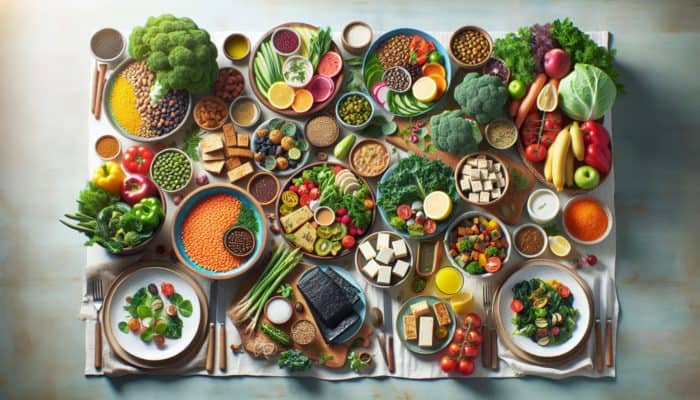
When preparing meals for a vegan guest, it is essential to fully understand their unique dietary requirements. Vegans adhere to a diet that completely eliminates all animal products, making it vital to pinpoint the specific nutrients necessary for their health and vitality. The most important nutrients include protein, iron, calcium, vitamin B12, and omega-3 fatty acids. These nutrients play a crucial role in numerous bodily functions and overall wellness, making them vital for anyone who wishes to offer a satisfying dining experience for vegan guests.
The nutrient protein can be obtained from a wide range of plant-based sources, such as legumes, tofu, tempeh, and seitan. These alternatives not only meet protein needs but also improve the meal's flavour and texture, leading to a more enjoyable dining experience. Iron is another essential nutrient, found in foods like lentils, chickpeas, and various leafy greens. To optimise iron absorption, it is crucial to pair these iron-rich foods with vitamin C-rich foods, such as bell peppers and citrus fruits, which significantly boost nutrient uptake.
Vitamin B12 is mostly found in animal products, creating a challenge for those following a vegan lifestyle. To prevent deficiency, vegans can turn to fortified foods, including specific plant milks and breakfast cereals, along with B12 supplements. Furthermore, omega-3 fatty acids, which are vital for heart and brain health, can be sourced from flaxseeds, chia seeds, and walnuts. By focusing on these critical nutrients, hosts can prepare meals that are delicious and nutritionally balanced, improving the health and satisfaction of their vegan guests.
How Can You Strategically Create a Well-Balanced Vegan Diet?
Creating a well-balanced vegan diet requires a comprehensive approach to meal planning that embraces a variety of food groups. An ideal vegan plate should include a wide range of protein sources, healthy fats, and a rich selection of fruits and vegetables, as well as whole grains. This diversity is essential for meeting all nutritional needs without the dependence on animal-derived products.
To ensure adequate protein intake, consider incorporating options such as legumes, nuts, seeds, and whole grains. For example, quinoa stands out due to its complete protein profile, making it an excellent addition to salads or side dishes. Healthy fats can be integrated via foods like avocados, olive oil, and coconut products, which not only enhance flavour but also improve the nutritional value of meals. Emphasising fruits and vegetables guarantees the provision of essential vitamins and minerals, as well as fibre, which is crucial for digestive health.
Whole grains such as brown rice, quinoa, and oats help sustain energy levels while promoting a sense of fullness. An effective strategy for achieving this balance is through meal prepping and exploring various global cuisines. For instance, experimenting with Indian or Mediterranean vegan recipes can inspire a wide range of meals that are both flavourful and texturally diverse, ensuring that vegan guests have an enjoyable dining experience.
What Common Vegan Food Allergies Should Be on Your Radar?
When hosting vegan guests, it is crucial to remain alert to potential food allergies that could complicate meal preparation. Some common vegan food allergies include nuts, soy, gluten, and certain legumes. Each of these allergens can trigger severe reactions in sensitive individuals, making it essential for hosts to inquire about allergies when planning the menu.
Nuts are a frequent allergen and are commonly found in many vegan dishes to boost protein content and improve texture. When crafting your menu, consider replacing nuts with seeds, such as sunflower seeds or pumpkin seeds, which can provide similar textures without the risk of allergens. Soy is another prevalent allergen, present in items like tofu, tempeh, and various plant-based milks. For guests with soy sensitivities, alternatives like chickpea flour or pea protein can effectively replace soy products.
Gluten, found in wheat and other grains, is another consideration for people with celiac disease or gluten intolerance. Creative incorporation of gluten-free grains like quinoa, rice, and buckwheat allows for the creation of satisfying meals. Lastly, while legumes are vital in vegan diets, some individuals might have allergies to specific types. By proactively understanding these dietary restrictions, hosts not only ensure safety but also showcase thoughtfulness and care in their hospitality.
Professional Insights for Meal Preparation for Vegan Guests
What Cooking Techniques Are Most Effective for Creating Delicious Vegan Meals?
Cooking for a vegan guest requires a mastery of various techniques that enhance the natural flavours of plant-based ingredients. Methods such as roasting, grilling, and steaming can elevate ordinary vegetables into extraordinary dishes that are bound to please the palate.
Roasting vegetables brings out their natural sweetness, leading to delightful caramelisation that enhances any meal. For example, roasting carrots and Brussels sprouts with a splash of olive oil and a dash of sea salt creates a flavour-packed side dish that is both visually appealing and nutritious. Alternatively, grilling imparts a smoky flavour to vegetables and plant-based proteins like tofu or tempeh, boosting their taste and texture. The charred marks from grilling not only enhance the visual appeal of the dish but also add to its flavour complexity.
Steaming is another excellent method that retains the nutrients in vegetables while providing a tender texture. This technique is particularly effective for greens like kale or spinach, which can be lightly steamed and then added to dishes such as stir-fries or salads. By applying these techniques, hosts can showcase their culinary skills and ensure that vegan dishes are as flavourful and satisfying as their non-vegan counterparts.
How Can You Transform Traditional Recipes to Cater for Vegan Guests?
Transforming traditional recipes to accommodate vegan guests is a valuable skill that can lead to innovative culinary creations. The key is to identify animal-based ingredients and substitute them with plant-based alternatives while maintaining the integrity of flavour and texture.
For dairy products, utilise alternatives like almond milk, coconut cream, or cashew cheese to seamlessly replace milk, cream, and cheese in most recipes. For example, crafting creamy pasta sauces can involve using a blend of soaked cashews and nutritional yeast, resulting in a rich and satisfying alternative. When it comes to eggs, substitutes such as flaxseed meal mixed with water or aquafaba (the liquid from canned chickpeas) serve as effective binding agents in baked goods or dishes like quiches.
Meat substitutes such as jackfruit, mushrooms, and lentils can replicate the texture of meat in dishes like tacos or curries. With the right preparation and seasoning, jackfruit can mimic pulled pork, while lentils provide hearty protein for stews and soups. Through thoughtful adaptations of recipes, hosts not only ensure their vegan guests feel included but also have the chance to explore exciting new flavours and textures, enriching the overall dining experience.
What Are the Best Vegan Substitutes for Common Cooking Ingredients?

When preparing meals for vegan guests, discovering the best substitutes for common ingredients is essential for creating satisfying dishes. Popular alternatives include tofu as a meat replacement, nutritional yeast for cheese, and flaxseeds or chia seeds as substitutes for eggs. Each of these ingredients can replicate the properties of animal-based counterparts while providing unique flavours and health benefits.
Tofu is remarkably versatile and can be marinated, grilled, or stir-fried, making it a fantastic meat substitute across various cuisines. For instance, marinated tofu can enhance a salad or serve as a standout main dish when grilled. Nutritional yeast, affectionately known as “nooch,” imparts a cheesy flavour that can be sprinkled on popcorn or pasta dishes to add depth without relying on dairy.
Egg replacements are particularly significant in baking, with options including mixing flaxseed meal or chia seeds with water to create a gel-like consistency that mimics eggs. For a creamy texture in soups or sauces, cashew cream or silken tofu, blended until smooth, can provide a rich and satisfying base. Familiarity with these substitutes expands your culinary toolkit and ensures that vegan guests enjoy delicious and fulfilling meals that cater to their dietary preferences.
Designing an Inviting Vegan-Friendly Menu That Delights the Palate
How to Choose Irresistible Vegan Appetisers That Excite Guests' Taste Buds?
Selecting appetisers for vegan guests presents a fantastic opportunity to unleash creativity while ensuring that they enjoy a delightful start to their meal. Appetisers should be light, flavourful, and easy to share, making them perfect for social dining. Popular choices include stuffed mushrooms, vegan dips, and vegetable skewers.
Stuffed mushrooms can be filled with a mixture of sautéed garlic, spinach, and breadcrumbs, resulting in a satisfying bite-sized treat. Vegan dips like hummus or guacamole, served with fresh vegetable sticks or pita chips, offer a refreshing and nutritious option. Vegetable skewers, drizzled with a balsamic glaze and grilled to perfection, can be both visually appealing and delicious.
Other enticing vegan appetiser ideas include bruschetta topped with ripe tomatoes and basil, or mini spring rolls filled with fresh veggies and paired with a tangy dipping sauce. Consider serving stuffed mini peppers or spiced roasted chickpeas, both of which are hearty and bursting with flavour. By curating an array of vibrant vegan appetisers, hosts can ensure their guests are eager for the main meal that follows.
How to Craft a Well-Balanced Vegan Main Course That Satisfies All Guests?
A well-rounded vegan main course is crucial for delivering a fulfilling dining experience. The key components to consider include a source of protein, whole grains, and a variety of vegetables. This combination not only ensures nutritional adequacy but also results in a visually appealing and flavourful dish.
For the protein component, lentils, chickpeas, or quinoa can serve as robust foundations. For instance, a hearty lentil stew, packed with vegetables and served over brown rice, is both filling and nourishing. Whole grains like farro or bulgur can add texture and depth to dishes while remaining gluten-free if needed.
When adding vegetables, aim for a colourful assortment to enhance both nutrition and presentation. Roasted seasonal vegetables, sautéed greens, or a fresh salad can provide essential vitamins and minerals. Additionally, consider incorporating sauces or dressings that elevate the dish, such as tahini dressing or a zesty chimichurri. Balancing these elements creates a main course that is not only appealing but also embodies the essence of vegan cooking, celebrating the variety and richness of plant-based ingredients.
What Delectable Desserts Are Ideal for Vegan Guests?
Vegan desserts can be equally indulgent and satisfying as their non-vegan counterparts, showcasing a delightful assortment of flavours and textures. When planning a dessert for vegan guests, it is essential to explore options that are naturally plant-based or easily adaptable. Fruit-based desserts, chocolate confections, and nut-based treats can all cater beautifully to vegan preferences.
Fruit-based desserts like sorbets or fruit tarts highlight the natural sweetness of fruit while providing a refreshing finish to any meal. Chocolate desserts made with dark chocolate, which is often dairy-free, can include vegan brownies or chocolate mousse crafted from avocados, resulting in a delightful creamy texture.
For nut-based desserts, consider almond flour cookies or cashew cheesecake, sweetened naturally with maple syrup or agave nectar. Other popular vegan dessert ideas include chia seed pudding, coconut milk ice cream, or energy balls made from oats and dates. By selecting desserts that align with vegan principles, hosts can ensure their guests leave the table satisfied and impressed by the variety of vegan options available.
How to Choose Vegan-Friendly Beverages That Complement the Meal Perfectly?
Selecting beverages that enhance a vegan meal requires careful consideration of ingredient lists to ensure all options are free from animal products. Vegan-friendly beverages can include herbal teas, fruit juices, vegan wines, and craft beers, catering to a variety of tastes and preferences.
Herbal teas such as peppermint or chamomile provide a soothing conclusion to the meal, while fresh fruit juices like orange or apple offer invigorating refreshment. For a more refined selection, vegan wines—produced without animal-derived fining agents—pair beautifully with meals. Many wine brands now clearly label their products as vegan-friendly, making selection easier.
Craft beers, which are often inherently vegan, can add a local flavour and pair wonderfully with robust meal flavours. Creative cocktails made with fresh ingredients and botanicals can also elevate the dining experience, allowing for innovative drinks that complement the overall theme of the meal. By thoughtfully selecting beverages, hosts can enhance the dining experience while ensuring that all offerings align with their guests' dietary preferences.
What Effective Strategies Can Help Accommodate Diverse Dietary Restrictions?
When hosting a vegan guest, it is essential to accommodate any additional dietary restrictions to foster an inclusive and enjoyable atmosphere. Dietary needs can range from gluten-free to nut allergies, requiring meticulous planning. Clear communication is key; asking guests about their dietary preferences and restrictions in advance can greatly aid in menu planning.
Labeling dishes is a pragmatic strategy to ensure guests are aware of what they are consuming, especially for those with allergies or intolerances. For example, providing clear labels for gluten-free or nut-free dishes can alleviate concerns and enable guests to enjoy the meal without anxiety. Having alternative options available ensures that everyone feels acknowledged and valued.
Offering a diverse array of dishes can also accommodate various dietary needs, allowing guests to choose from a range of vegan-friendly options. For instance, including a gluten-free grain like quinoa alongside traditional choices ensures that those with gluten sensitivities can partake in the meal. By being proactive and considerate, hosts create a welcoming environment that celebrates inclusivity while catering to diverse dietary requirements.
What Benefits Come with Hosting a Vegan Guest?
How Can Hosting a Vegan Guest Elevate Your Culinary Skills?
Hosting a vegan guest can serve as a transformative experience, prompting you to explore new recipes and cooking techniques that you may not have previously attempted. Engaging with vegan cuisine fosters creativity and expands your culinary repertoire, allowing you to experiment with a variety of ingredients and flavours that showcase the essence of plant-based cooking.
Each vegan dish you prepare offers an opportunity to refine specific culinary skills. For instance, mastering the art of vegetable preparation—including julienning or spiralising—can enhance your meal presentations. Learning to balance flavours using spices and herbs is another skill honed through vegan cooking, as plant-based ingredients often require additional flavour profiles to shine and captivate the taste buds.
Moreover, delving into fermentation techniques to create items such as kimchi or vegan cheese can deepen your understanding of food preservation and enhancement. Techniques like grilling and roasting can also be refined, allowing the natural sweetness and textures of vegetables to be fully realised. By embracing these challenges, you not only impress your vegan guests but also enrich your cooking abilities, paving the way for future culinary adventures that celebrate creativity.
What Health Benefits Can Arise from Hosting a Vegan Guest?
Hosting a vegan guest often encourages a more mindful approach to meal planning and dietary choices. Incorporating more plant-based ingredients into your cooking may inspire healthier eating habits that positively affect your overall well-being. Preparing vegan meals promotes the inclusion of whole foods, reducing reliance on processed items high in sugar and unhealthy fats.
Plant-based diets are associated with numerous health benefits, including lower cholesterol levels, improved digestion, and a reduced risk of chronic diseases. Engaging with vegan cuisine allows hosts to explore a variety of fruits, vegetables, legumes, and grains, resulting in nutrient-rich, antioxidant-packed meals that foster better health.
This experience might inspire a long-term shift towards a more plant-focused diet, extending beyond the occasion of hosting and contributing to lasting health benefits for both hosts and their families. By exploring vegan cooking, you promote a lifestyle that values health and nutrition, setting a positive example for others and fostering a community of wellness.
How Does Hosting a Vegan Guest Promote Sustainable Living?
By hosting a vegan guest, you actively advocate for a lifestyle that supports environmental sustainability. Plant-based diets are noted for having a lower ecological footprint, as they typically require fewer natural resources like water and land compared to animal-based diets. This shift towards plant-based consumption significantly reduces greenhouse gas emissions and deforestation, making a profound impact on our planet.
Embracing vegan cooking can also inspire thoughtful purchasing decisions, as many vegan products are sourced from local farmers or produced sustainably. Supporting local suppliers fosters community relationships and lessens the carbon footprint associated with transporting food over long distances, thereby nurturing a healthier planet.
Furthermore, incorporating vegan ingredients allows for a more varied diet that respects environmental considerations. Utilising seasonal and locally sourced produce in your meals supports eco-friendly practices while ensuring freshness and quality. By hosting a vegan guest, you champion sustainable living, inspiring others to reflect on their environmental impact and make conscious dietary choices that contribute to a greener future.
How to Shop Efficiently for Vegan Ingredients?
Where Can You Source Fresh Vegan Produce for Your Culinary Endeavours?
Finding fresh vegan produce is vital for creating vibrant, flavourful meals that tantalise the senses. Local farmers' markets serve as excellent sources for seasonal vegetables and fruits, frequently offering organic options that enhance the quality of your meals. Engaging with local growers allows you to inquire about their farming practices, ensuring you source produce that aligns with vegan principles and sustainable practices.
Grocery stores that focus on organic and natural foods typically carry a wide variety of fresh produce. Seek out stores that support local suppliers, as this often translates to fresher options on the shelves. In addition, many supermarkets now feature dedicated organic sections, making it easier to find high-quality ingredients suitable for vegan diets.
Community-supported agriculture (CSA) programmes also provide fantastic opportunities for receiving a regular supply of fresh, locally grown produce. By subscribing to a CSA, you not only support local farmers but also enjoy a diverse selection of fruits and vegetables throughout the growing season. By prioritising fresh ingredients sourced sustainably, you can ensure that the meals you prepare for vegan guests are both nutritious and delicious, showcasing the best that nature has to offer.
What Essential Plant-Based Proteins Should Be on Your Shopping List?
When shopping for plant-based proteins, it is essential to select ingredients that are not only nutritious but also versatile enough for a variety of dishes. Top choices include lentils, chickpeas, black beans, quinoa, and tofu. These ingredients are rich in protein and can be incorporated into many recipes, from salads to hearty stews.
Lentils are an excellent source of protein and dietary fibre, available in various colours, including green, brown, and red, each offering unique flavours and cooking times. Chickpeas, whether used as whole beans or ground into flour, are incredibly versatile and can be featured in delicious dips like hummus or tossed into salads for added texture and nutrition.
Black beans are another protein powerhouse, ideal for tacos, soups, or burrito fillings. Quinoa, often celebrated as a superfood, is a complete protein that can serve as a base for bowls or salads. Tofu, derived from soybeans, can be marinated, grilled, or scrambled, making it a staple in many vegan cuisines. By stocking up on these protein-rich ingredients, you can create a wide variety of meals that are both satisfying and nutritious, catering to the needs of vegan diners.
How to Identify Vegan-Friendly Packaged Foods While Shopping?
Recognising vegan-friendly packaged foods requires a keen eye for detail, particularly concerning ingredient labels. To ensure products are devoid of animal-derived ingredients, start by meticulously reading the ingredient list. Watch for common non-vegan ingredients such as milk, eggs, honey, and gelatine, which may appear in various packaged goods.
Many brands now proudly label their products as “vegan,” simplifying the selection process. Certifications from reputable vegan organisations can also provide reassurance that products meet vegan standards, making shopping easier for conscientious consumers.
Additionally, familiarise yourself with common animal-derived additives that may not be immediately obvious. Ingredients like casein (a milk protein) and certain insect-derived colourings may be present in seemingly vegan products. By educating yourself on these aspects and keeping a list of trusted brands, you can shop confidently, ensuring your selections align with your vegan dietary preferences, making informed choices as you navigate the aisles.
Proven Strategies for Cooking for a Vegan Guest
What Time-Saving Tips Can Enhance Your Vegan Cooking Experience?
Implementing time-saving strategies is essential for efficient vegan cooking, particularly when hosting guests. Batch cooking, utilising pre-made vegan products, and meal prepping can dramatically reduce the time spent in the kitchen. By dedicating a few hours each week to preparing meals in advance, you can ensure that healthy options are readily available whenever needed.
Batch cooking involves preparing large quantities of a single dish, which can then be refrigerated or frozen for later consumption. For example, cooking a big pot of lentil soup or creating a batch of quinoa can provide a foundation for multiple meals throughout the week. Using pre-made vegan products, such as sauces or marinades, can further streamline the cooking process, allowing you to focus on assembling dishes instead of starting from scratch with every meal.
Meal-prepping ingredients, such as chopping vegetables or marinating tofu, saves time on the day of hosting. Having everything ready to go facilitates a smooth cooking process, allowing you to enjoy the experience instead of feeling rushed. By applying these time-saving strategies, you can create delicious vegan meals without overwhelming yourself in the kitchen, ensuring a stress-free environment for both you and your guests.
How to Present Vegan Dishes in an Attractive Manner?
Presentation plays a crucial role in the dining experience, especially when hosting vegan guests. Attractive plating can significantly enhance the visual appeal of meals and create a more inviting atmosphere. Techniques such as garnishing, artfully arranging food on the plate, and using contrasting colours can greatly improve the overall dining experience.
Garnishing with fresh herbs, such as basil or parsley, can add vibrant colour and freshness to dishes, elevating their appeal. Arranging food in visually striking manners—such as stacking ingredients or employing diverse shapes—can enhance the overall presentation. For example, a carefully layered salad in a glass can showcase the variety of textures and colours, making it more enticing.
Utilising interesting serving dishes, such as wooden boards or colourful bowls, can also elevate the meal. Consider employing smaller plates for appetisers or tapas-style dining, allowing guests to sample a variety of dishes. By focusing on presentation, you create a memorable dining experience that impresses guests and highlights the creativity inherent in vegan cuisine.
How to Ensure Vegan Guests Feel Welcomed and Appreciated During Their Visit?
Making vegan guests feel welcomed and catered to requires careful planning and open communication before and during the meal. Begin by engaging your guests in a conversation about their dietary preferences and restrictions, ensuring their needs are understood and incorporated into the menu-planning process.
Offering a variety of options that cater to diverse tastes demonstrates inclusivity and consideration for your guests. Providing a dedicated vegan section on the menu or clearly labelled dishes helps guests feel comfortable and valued. Additionally, interacting with your guests during the meal, seeking their feedback, and showing enthusiasm for the dishes being served can significantly enhance their dining experience and foster a sense of belonging.
Creating a warm and inviting atmosphere through thoughtful table settings, ambient lighting, and background music can also enhance the experience. By prioritising your guests' needs and creating an inclusive environment, you cultivate appreciation and belonging, ensuring that the meal is memorable for everyone involved.
Addressing Dietary Restrictions and Preferences for Vegan Guests
What Steps Should You Take If a Vegan Guest Has Additional Dietary Requirements?
When hosting a vegan guest with additional dietary needs, such as gluten-free or nut allergies, it is crucial to be well-informed and prepared. This involves clear communication prior to the event to understand any specific restrictions. Once you have this information, you can adjust your menu accordingly to ensure inclusivity and safety for all guests.
For gluten-free options, consider using grains like quinoa or rice instead of traditional pasta or bread. Legumes and vegetables can provide ample protein and texture, guaranteeing that the meal is both satisfying and nutritious. When addressing nut allergies, be mindful of common ingredients and opt for seeds or legumes as substitutes where necessary.
Moreover, it is crucial to avoid cross-contamination during food preparation. Using separate utensils and surfaces for allergen-free dishes helps prevent unwanted reactions. By taking these proactive measures, you create an environment where all guests feel safe and comfortable, allowing everyone to enjoy the meal together without concerns.
How to Communicate Effectively About Dietary Needs with Guests?
Effective communication regarding dietary needs with guests is vital to ensure a positive dining experience. Before the event, reach out to your guests to inquire about their dietary preferences and restrictions. This initial conversation lays the groundwork for menu planning and demonstrates your consideration for their needs.
Be open and receptive to their dietary requirements, asking specific questions about ingredients they avoid or prefer. This approach not only assists in meal planning but also builds trust and transparency between you and your guests. During the meal, inviting feedback from your guests allows them to voice any concerns or preferences, reinforcing their significance in the dining experience.
Additionally, providing clear dish labels can help guests navigate their options and feel confident about what they are consuming. By prioritising open communication, you ensure everyone feels included and valued in the dining experience, fostering an enjoyable, inclusive atmosphere for all.
How to Ensure a Variety of Flavours and Textures in Your Menu?
A diverse menu featuring a variety of flavours and textures is essential for keeping the meal interesting and satisfying. When planning dishes for vegan guests, aim to integrate a spectrum of ingredients that offer contrasting textures, from crunchy to creamy, and from spicy to sweet. This strategy ensures that every bite is an exciting experience that delights the palate.
Incorporating elements such as roasted vegetables, fresh salads, hearty grains, and sauces can create a symphony of flavours and textures. For instance, a grain bowl featuring quinoa, roasted sweet potatoes, fresh greens, and a tangy dressing provides a delightful mixture of textures and tastes that excite the senses.
Additionally, consider using herbs and spices to enhance flavours and add depth to your dishes. Exploring global cuisines can also introduce exciting flavour combinations that intrigue and satisfy your guests' palates. By focusing on variety, you create a memorable dining experience that appeals to a wide range of tastes and preferences, ensuring that everyone leaves satisfied.
How to Cater to Religious Dietary Laws and Considerations?
When hosting guests with specific religious dietary laws, it is essential to be respectful and knowledgeable about their requirements. For instance, some guests may observe Halal or Kosher diets, which dictate specific methods of food preparation and permissible ingredients. Understanding these guidelines guarantees that your menu accommodates everyone's needs and beliefs.
For Halal requirements, ensure that all meat and poultry served is certified Halal and that there is no cross-contamination with non-Halal items. Similarly, when catering to Kosher guests, ensure that dairy and meat products are not mixed and that all ingredients are certified Kosher.
Engaging in a conversation with guests about their dietary laws before the event can clarify any uncertainties and guarantee a smooth dining experience. By being proactive and respectful, you create an inclusive environment that values and honours your guests' beliefs and practices, ensuring the meal is enjoyable for everyone.
What Are the Best Practices for Managing Allergies and Intolerances?
Managing food allergies and intolerances requires vigilance and care to ensure a safe dining experience for all guests. When hosting a vegan guest with allergies, gather comprehensive information about their specific allergens during the planning stage. This understanding allows you to develop a menu that avoids any potential triggers and ensures the safety of all.
During meal preparation, it is vital to use separate utensils and cooking surfaces for allergen-free dishes to prevent cross-contamination. Clearly labelling all dishes empowers guests to identify what they can eat safely, reducing anxiety about potential allergic reactions.
When potential allergens are present in the menu, consider offering alternative dishes that are both compliant and delicious. Engaging with your guests throughout the meal allows for feedback and necessary adjustments, ensuring that everyone feels comfortable and safe. By prioritising food safety and awareness, you create an inviting atmosphere that caters to the needs of all guests, fostering a sense of community and care.
Frequently Asked Questions About Vegan Dining
What Constitutes a Vegan Diet?
A vegan diet excludes all animal products, including meat, dairy, eggs, and honey, focusing solely on plant-based foods such as fruits, vegetables, grains, legumes, and nuts.
How Can I Ensure That Meals Are Suitable for Vegans?
To make sure meals are vegan-friendly, avoid all animal-derived ingredients and opt for plant-based alternatives for dairy, meat, and eggs. Be diligent about reading labels and select certified vegan products whenever possible.
What Are Some Common Sources of Protein in a Vegan Diet?
Common vegan protein sources include lentils, chickpeas, black beans, quinoa, tofu, tempeh, and seitan, all of which provide essential amino acids for a balanced diet.
Are There Vegan Substitutes Available for Dairy Products?
Yes, there are numerous vegan substitutes for dairy, including almond milk, coconut yogurt, cashew cheese, and nutritional yeast, which can effectively mimic the taste and texture of traditional dairy products.
What Strategies Can I Employ to Enhance the Flavour of Vegan Dishes?
To enhance the flavour of vegan dishes, incorporate a variety of herbs, spices, and umami-rich ingredients such as miso, nutritional yeast, and citrus zest to add depth and complexity to your meals.
What Vegan-Friendly Desserts Can I Serve?
Vegan-friendly desserts can include fruit sorbets, chocolate avocado mousse, coconut milk ice cream, or baked goods made with almond flour, flaxseeds, or chia seeds.
How Can I Accommodate Gluten-Free Vegan Guests?
To accommodate gluten-free vegan guests, use gluten-free grains such as quinoa, brown rice, or corn, and avoid wheat-based products. Ensure that all dishes are prepared without cross-contamination to maintain safety.
What Beverages Are Suitable for Vegan Guests?
Suitable beverages for vegan guests include herbal teas, fruit juices, vegan wines, and craft beers, all of which are free from animal-derived ingredients.
How Can I Communicate Dietary Needs with My Guests?
Engage in open communication with your guests before the event to understand their dietary needs. Ask specific questions and remain receptive to their preferences to ensure everyone feels included and valued.
What Creative Vegan Appetisers Can I Serve?
Creative vegan appetisers include stuffed mushrooms, vegetable skewers, hummus with pita and fresh veggies, bruschetta, and spiced roasted chickpeas, all showcasing a variety of flavours and textures.
Connect with us on Facebook!
The post How to Cook for a Vegan Guest: Essential Tips appeared first on https://cookinggods.com
The Article Cooking for a Vegan Guest: Essential Tips for Success Was Found On https://limitsofstrategy.com
The Article Vegan Guest: Essential Cooking Tips for Success found first on https://electroquench.com