Your Comprehensive Guide to Blood Tests for High Cholesterol in Preston
Essential Steps for Your First Consultation
Private Blood Test for High Cholesterol in Preston: Prior to booking a cholesterol blood test in Preston, it is vital for patients to consult their GP. This meeting facilitates a thorough examination of their medical history and lifestyle choices, establishing a robust foundation for accurate testing and customised recommendations for managing potential health risks. Local clinics are equipped to perform detailed evaluations that reflect individual health profiles.
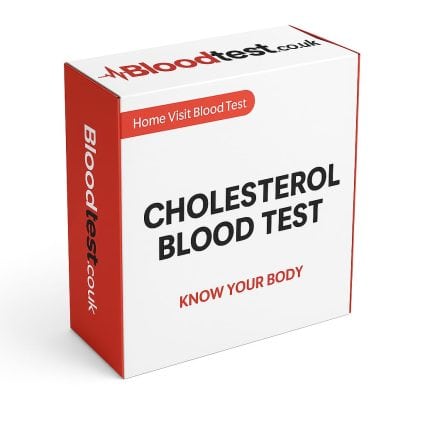

During the consultation, GPs will explore various factors, including dietary habits, exercise routines, and family medical history. These discussions are critical in determining the need for a cholesterol test and selecting the most suitable testing method. Engaging in open dialogue with healthcare professionals empowers patients to gain a clearer understanding of their cardiovascular health and the importance of monitoring cholesterol levels.
Where to Access Cholesterol Testing Services in Preston
Residents of Preston enjoy extensive access to cholesterol testing services, with various health centres available throughout the region. These facilities employ qualified professionals who conduct lipid profile assessments in accordance with established UK protocols. This adherence ensures accurate measurements of HDL, LDL, and triglyceride levels, providing patients with trustworthy results.
Health centres in Preston are generally outfitted with state-of-the-art technology and accredited laboratories that uphold stringent quality standards. This infrastructure is essential for conducting precise tests and delivering prompt feedback, empowering residents to make informed decisions about their cholesterol levels. It is crucial for patients to select accredited facilities that prioritise patient care and safety.
Understanding Your Cholesterol Test Results
Once cholesterol test results are released, it is imperative for Preston residents to discuss these findings with their healthcare providers. Comprehending cholesterol ratios, particularly the relationship between HDL and LDL, is vital for maintaining cardiovascular health. GPs will assist patients in interpreting these results and what they signify for overall well-being.
Ongoing care is a fundamental aspect of managing cholesterol levels. Preston residents should proactively schedule follow-up consultations to address any concerns highlighted in their test results. Continuous interaction with healthcare providers ensures that patients receive appropriate guidance and interventions within the NHS framework.
Evaluating Additional Cardiovascular Risk Factors
When reviewing cholesterol blood test results, it is important for Preston residents to consider additional risk factors such as family history and pre-existing health conditions. These factors significantly influence assessments of overall cardiovascular risk and the development of effective management strategies. Engaging in comprehensive conversations with healthcare providers can yield a more thorough evaluation.
Understanding how conditions such as diabetes, hypertension, and lifestyle choices affect cholesterol levels is essential. This knowledge empowers patients to make informed choices and adopt healthier habits. By considering these risk factors, individuals can collaborate with their healthcare teams to create personalised management plans.
How to Prepare for Your Cholesterol Blood Test in Preston
Dietary Guidelines Before Testing
Residents should observe a fasting period of 9 to 12 hours prior to their cholesterol blood test appointment at Preston facilities. This fasting is crucial to prevent distorted results due to recent food intake, ensuring reliable diagnostics from the NHS. It is particularly vital to avoid fatty foods during this fasting period to achieve accurate lipid measurements.
Individuals are encouraged to remain hydrated, as drinking water is generally advised. Proper hydration can aid in a smoother blood draw and enhance patient comfort. By adhering to these dietary instructions, patients can ensure their test results accurately represent their true cholesterol levels, leading to more effective management strategies.
Medications and Lifestyle Factors to Discuss with Your GP
Patients in Preston must inform their GP about any current medications prior to the cholesterol blood test. Certain medications can influence cholesterol levels or the quality of the blood sample, making it crucial to understand their impact. This discussion facilitates safe management of prescriptions leading up to the test.
Lifestyle factors such as exercise routines and smoking should also be addressed. GPs can provide tailored recommendations on how to maintain or adjust these habits to support cholesterol management. This proactive approach ensures that patients are well-prepared for their tests and recognise the significance of their overall health.
Key Questions to Ask During Your Consultation
To maximise the benefits of your consultation at local UK practices, it is imperative to prepare specific questions for your GP. Consider inquiring about your family history and its potential impact on your cholesterol levels. Understanding hereditary factors can shed light on your health risks.
Ask about lifestyle changes that may positively influence your cholesterol levels. Questions regarding dietary recommendations, exercise routines, and potential follow-up tests are also valuable. Taking a proactive stance during your consultation helps ensure a comprehensive understanding of your cardiovascular health and the necessary steps for improvement.
Arriving at the Testing Facility
Residents are advised to arrive at least fifteen minutes early for appointments at local Preston facilities. This allows sufficient time to complete any necessary paperwork and acclimatise comfortably, which can help ensure accurate results from the cholesterol blood test conducted by NHS professionals. Arriving early also minimizes stress and contributes to a smoother testing experience.
During your time at the facility, patients should feel free to ask any last-minute questions or express concerns regarding the procedure. Staff members are available to assist and provide information, ensuring the process is as comfortable as possible. Being well-prepared can enhance the testing experience and lead to more accurate results.
What Are the Procedures Involved in Cholesterol Testing in Preston?
Blood Sample Collection Process Explained
The cholesterol testing procedure in Preston begins with a small blood draw from the arm, conducted by trained phlebotomists at local centres. This process is quick and typically involves minimal discomfort. Once the blood sample is collected, it is sent to certified laboratories for analysis, adhering to stringent UK quality standards.
Ensuring safety and hygiene during sample collection is paramount. NHS staff follow strict protocols to guarantee that the procedure is as safe and comfortable as possible for patients. This thorough attention to detail fosters confidence in the healthcare system and underscores the importance of regular <a href="https://electroquench.com/cholesterol-test-guidelines-optimal-testing-times-explained/">cholesterol testing</a>.
Laboratory Analysis Techniques Utilised
Upon arrival at the laboratory, advanced equipment is employed to effectively measure key lipid markers. These methodologies equip healthcare teams in Preston with vital data to accurately assess cardiovascular health. The analysis focuses on determining levels of HDL, LDL, and triglycerides, which are essential for understanding a patient’s cholesterol profile.
UK laboratories adhere to rigorous quality control measures, ensuring that results are both precise and reproducible. This scientific diligence aids healthcare providers in making informed decisions regarding patient care. Accurate laboratory analysis is fundamental to effective cholesterol management and overall cardiovascular health.
Anticipated Timeframes for Receiving Results
Patients can generally expect to receive their cholesterol test results within a few days via the NHS system. This prompt feedback facilitates timely discussions with Preston GPs about any necessary interventions or lifestyle modifications. Quick access to results is critical for the effective management of cholesterol levels.
Receiving results promptly also encourages patients to remain engaged in their health journey. It fosters proactive discussions about subsequent steps, whether that involves lifestyle changes, medication adjustments, or additional testing. The NHS is dedicated to delivering comprehensive care, making timely communication a key component of effective health management.
Expert Insights on Blood Tests for High Cholesterol in Preston
Evaluation Techniques Employed by Specialists
In Preston, specialists utilise a variety of evaluation methods to thoroughly analyse patient data. Clinics often combine traditional cholesterol tests with advanced assessments to formulate personalised management plans for individuals with elevated cholesterol. Real-world examples from local practices demonstrate the effectiveness of these tailored approaches.
For instance, patients may undergo comprehensive evaluations that include lifestyle assessments, dietary consultations, and genetic screenings. These multifaceted strategies enable healthcare providers to develop well-rounded plans that cater to each patient’s unique needs. Such personalised care is essential for improving health outcomes and effectively managing cholesterol.
Innovative Diagnostic Strategies in Use
Integrating genetic factors with standard cholesterol tests is an emerging trend in Preston, enhancing the assessment of cardiovascular risk. Experts are increasingly examining how genetic predispositions can affect cholesterol levels and overall heart health. This advanced approach offers deeper insights into individual patient profiles.
By merging genetic insights with traditional testing methods, healthcare providers can offer more precise recommendations. This integration facilitates more effective monitoring and management strategies for patients seeking comprehensive assessments. As research continues to evolve, these advanced diagnostic methods are set to enhance patient care in Preston and beyond.
Collaborative Care Approaches
Collaboration with local specialists is vital for tracking progress and adjusting treatments according to national guidelines. Patients in Preston can benefit from collaborative care strategies that involve multidisciplinary teams, including GPs, dietitians, and cardiologists. This guarantees a holistic approach to cholesterol management.
Actionable steps for patients include scheduling regular follow-up appointments, participating in lifestyle modification programmes, and staying informed about their health. Engaging in this collaborative care model empowers patients to take control of their health journey. It nurtures a supportive environment where individuals can achieve and maintain healthy cholesterol levels.
Emerging Biomarkers in Cholesterol Testing
Experts in Preston are exploring new biomarkers alongside traditional blood tests to gain deeper insights into cardiovascular risks. These emerging biomarkers can provide additional information about a patient’s heart health, helping to identify risk factors that standard tests might overlook. This innovative approach is paving the way for more comprehensive assessments.
Incorporating these advanced biomarkers into routine testing enables healthcare professionals to better understand the complexities of cholesterol management. This allows for proactive measures informed by detailed data analysis and the latest medical research. As new discoveries arise, they will continue to shape the landscape of cholesterol testing in Preston and improve patient outcomes.
Patient Education and Preparation for Tests
Healthcare professionals in Preston play a crucial role in guiding patients on how to prepare for cholesterol blood tests and comprehend their results. Educational resources are often provided to ensure that individuals are well-informed about the testing process and what to anticipate. This knowledge is essential for alleviating anxiety and enhancing engagement in health management.
Grasping the significance of test results is equally important. Healthcare providers dedicate time to explain what the numbers signify and how they relate to overall health. This emphasis on patient education empowers individuals to make informed decisions regarding lifestyle adjustments and treatments, aligning with national guidelines for improved heart health outcomes.
What to Expect During the Blood Test Procedure

Ensuring Patient Comfort and Safety During the Procedure
NHS staff in Preston prioritise patient comfort and safety throughout the cholesterol blood test procedure. Trained professionals employ techniques to minimise discomfort, ensuring that the experience is as pleasant as possible. Adhering to high hygiene standards during the appointment is also a key focus for healthcare providers.
Patients can expect a brief appointment where staff are attentive to their needs. This commitment to comfort and safety alleviates anxiety and builds trust in the healthcare system. Understanding the process can further enhance the patient experience, making it easier for individuals to engage in regular health monitoring.
Advice for Monitoring Post-Test
After the cholesterol blood test, patients receive immediate guidance on resuming normal activities while awaiting results from their local testing centre. This information is crucial as it helps individuals understand what to expect in the days following the test. Healthcare providers typically encourage patients to maintain their usual routines unless specific recommendations are provided.
This moment also provides an opportunity for patients to ask questions about their health or the testing process. Engaging with healthcare professionals post-test can offer clarity and reassurance. Ongoing communication is essential for fostering a supportive environment where patients feel empowered to manage their health effectively.
Strategies to Alleviate Anxiety Before and During the Test
Simple breathing exercises suggested by Preston nurses can help reduce nerves before and during the blood draw. Techniques such as deep breathing or visualisation can significantly ease anxiety levels, making the experience more comfortable for patients. These strategies can be easily integrated into the testing routine.
Understanding the procedure and knowing what to expect can alleviate fears. Patients are encouraged to ask questions and voice concerns to the staff, who are trained to provide reassurance and support. This proactive approach to managing anxiety can enhance the testing experience.
Research-Backed Benefits of Blood Testing for High Cholesterol in Preston
Insights from Recent UK Research
Research indicates that regular cholesterol testing greatly reduces the incidence of heart disease among adults in Preston. By enabling timely lifestyle modifications supported by NHS resources, these tests play a crucial role in preventing long-term health complications. The data underscores the importance of proactive health management.
Consistent monitoring allows individuals to identify potential issues before they escalate. This early detection is vital for implementing effective interventions, ultimately leading to better cardiovascular health. The commitment to regular testing is essential for maintaining overall well-being within the community.
Long-Term Health Benefits of Regular Monitoring
Regular monitoring of cholesterol levels at local facilities can yield numerous long-term health advantages. Key benefits include:
- Enhanced cardiovascular health
- Reduced risk of heart disease
- Improved management of cholesterol levels
- Informed lifestyle adjustments
- Early detection of potential health issues
- Increased patient engagement in health
- Access to tailored support and resources
By prioritising regular cholesterol testing, Preston residents can cultivate a culture of health and prevention. These long-term improvements contribute to a healthier community overall, emphasising the value of proactive health measures.
Preventing Health Complications Through Early Detection
Research highlights how early identification of high cholesterol levels in Preston leads to effective interventions that safeguard overall well-being. By proactively addressing cholesterol concerns, individuals can avoid severe complications such as heart attacks and strokes. This preventative approach is essential for protecting long-term health.
Timely testing enables healthcare providers to implement necessary lifestyle changes or medical treatments. Patients can maintain healthier cholesterol levels and reduce their risk of cardiovascular disease. The focus on prevention through regular testing is a cornerstone of effective healthcare within the community.
Advantages of Community-Based Testing Initiatives
Research conducted in Preston shows that community-based blood tests for high cholesterol lead to improved patient outcomes. These initiatives facilitate early detection and personalised treatment plans that align with UK health guidelines and local support networks. Community engagement plays a critical role in fostering a culture of health awareness.
By providing accessible testing options, local health initiatives empower residents to take charge of their health. This proactive approach not only enhances individual outcomes but also improves overall community health. The collaborative efforts between healthcare providers and residents are essential for creating a healthier future.
What Are the Risks Associated with Cholesterol Testing in Preston?
Overview of Minor Side Effects
While cholesterol blood tests are generally safe, patients may experience minor side effects, such as bruising or slight dizziness following the blood draw. These symptoms usually resolve quickly within NHS care in Preston settings. Being aware of these potential effects can help alleviate concerns for patients undergoing testing.
Patients should feel empowered to communicate any discomfort or unusual symptoms to healthcare providers. This transparency ensures that any issues are addressed promptly, maintaining trust in the healthcare process. Overall, the risks associated with cholesterol testing are minimal compared to the benefits of monitoring cardiovascular health.
When to Seek Further Medical Assistance
If unusual symptoms arise after the cholesterol test at a local clinic, patients should promptly contact their GP for appropriate support. Recognising when to seek further assistance is crucial for ensuring ongoing health and well-being. Healthcare providers are equipped to address any concerns that may develop after testing.
Common reasons to seek further help include persistent pain, excessive bruising, or signs of infection at the blood draw site. By remaining vigilant and proactive, patients can ensure that their health remains a priority. This collaborative approach fosters a supportive healthcare environment for all residents.
Safety Protocols Implemented
Strict UK regulations require that all testing sites in Preston adhere to rigorous procedures designed to minimise potential issues during blood sampling. These safety protocols are vital for protecting both patients and healthcare providers, reinforcing the commitment to high-quality care. Compliance with these standards is essential for sustaining trust in the healthcare system.
Healthcare facilities undergo regular inspections and training to ensure adherence to safety protocols. This ongoing commitment to quality control helps build patients’ confidence, encouraging them to engage in regular cholesterol testing. The emphasis on safety is a fundamental aspect of effective healthcare delivery in Preston.
How to Find Reliable Testing Services in Preston
NHS Appointment Booking Methods
Residents can conveniently utilise online portals or phone lines to book appointments at approved Preston locations for cholesterol checks. The NHS provides a user-friendly platform that enables individuals to schedule tests at their convenience, ensuring health monitoring is accessible to everyone.
Booking through the NHS guarantees that patients receive high-quality care from accredited facilities. This streamlined process simplifies access to essential health services, promoting regular monitoring of cholesterol levels. By prioritising these checks, residents can take proactive steps towards maintaining their cardiovascular health.
Exploring Private Clinic Options
For those seeking additional flexibility, researching accredited private clinics in the area can provide alternative options for cholesterol testing. These clinics often offer more personalised services while adhering to British medical standards. Patients should consider factors such as location, cost, and the range of services available when choosing a provider.
Private clinics may offer extended hours or specialised services tailored to individual needs. This variety allows patients to select the best option for their circumstances, ensuring that cholesterol testing fits seamlessly into their lives. By exploring these alternatives, residents can find the ideal balance between convenience and quality care.
Community Support Resources Available to Residents
Local health initiatives in Preston provide valuable resources on maintaining healthy cholesterol levels following testing. These resources typically include educational materials, workshops, and support groups designed to empower residents in their health journeys. Engaging with these community resources can enhance understanding and promote healthier lifestyles.
By participating in community-driven health initiatives, individuals can access a wealth of information and support. These programmes encourage collaboration among residents and healthcare providers, fostering a culture of health awareness. The emphasis on community support reinforces the importance of collective efforts in achieving better cardiovascular health.
Frequently Asked Questions
What does a cholesterol blood test entail?
A cholesterol blood test evaluates the levels of cholesterol and triglycerides in your blood, aiding in the assessment of your risk of heart disease and guiding treatment options.
How frequently should I have my cholesterol monitored?
It is generally recommended to have your cholesterol checked every 4 to 6 years, although more frequent testing may be necessary for individuals with specific risk factors.
What do the cholesterol levels indicate?
Cholesterol levels are categorised into HDL (good cholesterol), LDL (bad cholesterol), and triglycerides. Understanding these levels is essential for assessing cardiovascular health.
Am I permitted to eat before the cholesterol test?
Patients are typically required to fast for 9 to 12 hours before the test. This fasting ensures accurate results by preventing interference from recent food intake.
What actions should I take if my cholesterol levels are elevated?
If your cholesterol levels are high, consult your GP for tailored advice. They may recommend lifestyle changes, dietary modifications, or medication.
Are there any side effects associated with the blood test?
Minor side effects such as bruising or dizziness may occur after the blood draw. These effects typically resolve quickly and are considered normal.
Can I have my cholesterol tested privately?
Yes, there are private clinics in Preston that offer cholesterol testing. These may provide more flexible options than NHS services.
What lifestyle changes can help reduce cholesterol?
To lower cholesterol, consider adopting a heart-healthy diet, increasing physical activity, and avoiding tobacco products. These changes can significantly improve your cholesterol levels.
How long does it take to receive test results?
Cholesterol test results are generally available within a few days. Your GP will discuss the results with you and recommend subsequent steps.
What should I do if I have a family history of high cholesterol?
If you have a family history of high cholesterol, it is important to address this with your GP. They may suggest more frequent testing and tailored management strategies.
Visit our Facebook profile for more updates!
confidence{70}
This Article Was First Found On https://bloodtest.co.uk
The Article High Cholesterol Blood Test in Preston: Its Importance found first on https://electroquench.com